What Are the Best First Aid Kits for Sports Clubs?

Choosing the best first aid kits for sports clubs begins with injury reality, not box size. A crowded sideline may hold tape, cold packs, gloves, wound dressings, and emergency contact cards. It may also need supplies for nosebleeds, abrasions, sprains, heat illness, and suspected head injuries.

The National Athletic Trainers’ Association recommends written emergency action plans, accessible supplies, and trained responders in athletic settings. Its guidance makes one point clear: equipment works only when people know how to use it. The NCAA Injury Surveillance Program also shows that injury patterns vary across sports, seasons, playing surfaces, and competition levels. Therefore, a rugby club and a youth tennis club should not automatically buy identical kits.

Reliable selection should also reflect public health evidence. The U.S. Consumer Product Safety Commission’s National Electronic Injury Surveillance System tracks sports and recreation injuries treated in emergency departments. These records reinforce the need for practical wound care and rapid escalation procedures. The American Red Cross advises keeping first aid resources visible, stocked, and easy to reach during emergencies.

Small details matter. A sealed eye-wash bottle can be useless if its expiry date passed last season. Gloves buried beneath athletic tape waste precious seconds. A kit should match the club’s membership, venue, travel schedule, and medical support. It should also include a restocking log.

The perfect kit does not exist. That is worth admitting. A well-designed kit reduces delay, but it cannot replace qualified assessment, emergency services, or proper training. This guide compares key features, evidence, and real sideline needs before recommending practical options for sports clubs.
What Are the Best First Aid Kits for Sports Clubs?

Types of First Aid Kits Suitable for Sports Clubs

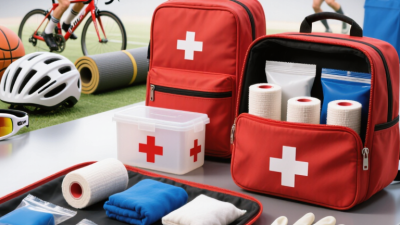
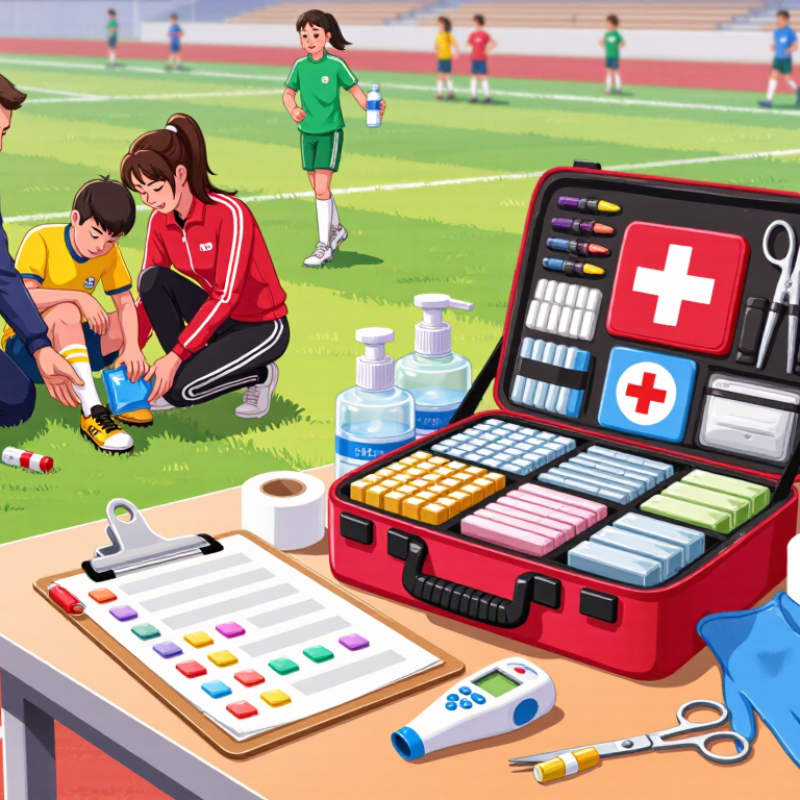
Sports clubs need first aid kits matched to their activities, not simply the largest available box. A compact sideline kit suits training sessions and local matches. It should contain gloves, sterile dressings, adhesive tape, wound-cleaning supplies, instant cold packs, and triangular bandages. Keep it in a bright, waterproof bag near the playing area.

A team medical kit offers more capacity for clubs managing several squads. Its compartments can hold extra dressings, elastic supports, safety scissors, thermal blankets, and basic eye-washing supplies. A modular kit works well when coaches travel between venues. Individual pouches make supplies easier to find during a noisy game. Keep it simple.

Contact sports may also require a dedicated trauma-focused kit. This type should support heavy bleeding control and protect responders from bodily fluids. It does not replace emergency services or qualified medical care. Staff should know where it is and practise using each item. A rarely opened kit is a weak safety plan.

✓

For tournaments, a portable travel kit is useful, but it needs careful restocking after every event. Clubs often forget small items, such as spare gloves or replacement tape. That mistake is common. Check expiry dates monthly, record missing supplies, and assign one trained person to inspect the kit. A kit can look full and still be unprepared. Local conditions, player age, weather, and sport-specific risks should influence the final contents. Reconsider the list after every serious incident.

Essential Supplies Every Sports Club First Aid Kit Should Include

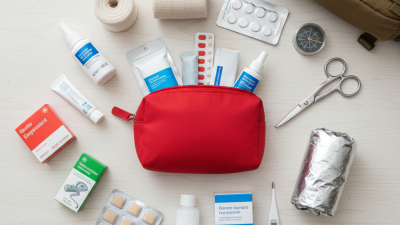
A sports club first aid kit should reflect real injuries, not shelf appearance. The CDC’s National Health Statistics Reports estimated 8.6 million sports and recreation injuries annually in the United States. That figure came from 2011–2014 emergency department data. It supports a practical kit for wounds, sprains, and urgent assessment. Keep nitrile gloves, hand sanitizer, sterile gauze, adhesive dressings, medical tape, antiseptic wipes, and saline eye wash together. Label sizes clearly. Small details matter.

For basketball, football, and field sports, add instant cold packs, elastic compression wraps, triangular bandages, blunt-tip scissors, tweezers, a thermal blanket, and a CPR face shield. Include a pen, injury forms, emergency contacts, and a working flashlight. American Red Cross guidance prioritizes barrier protection, bleeding control, and rapid assessment. These supplies support those actions. They do not replace trained care. Avoid prescription medicines. Over-the-counter products require club policy and allergy checks.

The National Athletic Trainers’ Association recommends written emergency action plans, accessible equipment, and regular review. Place the kit beside the playing area, not in a locked office. Inspect it before every match. Replace opened dressings and check expiry dates. Confirm cold packs still activate. A kit can look complete and still fail. Staff should rehearse emergency calls, crowd control, and care records. Clubs often buy supplies once, then forget them. Monthly checks are safer than optimism.

How to Choose a First Aid Kit for Different Sports

What Are the Best First Aid Kits for Sports Clubs?

Choosing a first aid kit starts with the sport, not the container. A football club needs wound dressings, elastic bandages, instant cold packs, gloves, and a CPR barrier. Contact sports also benefit from finger splints and sterile eye protection. A running club may need blister pads, friction tape, hydration-related guidance, and supplies for minor cuts. Water sports require waterproof dressings and equipment that remains usable near spray or wet surfaces.

Think about the venue, too. Outdoor clubs need a compact kit for travel and a larger refillable kit at the main site. A trained first aider should check the contents before every event. Expired dressings, empty gloves, and damaged packaging can create false confidence. Serious bleeding, suspected spinal injuries, breathing problems, or loss of consciousness require emergency medical help, not just kit supplies. A perfect kit does not exist. Clubs must review real incidents and adjust their contents.

Tips: Match supplies to common injuries, athlete numbers, and session length. Keep emergency contacts, location details, and a simple incident form nearby. Store the kit where coaches can reach it quickly, not in a locked office. Check cold packs and sterile items monthly. Practice using unfamiliar items during training. That step is often missed.

First Aid Kit Placement, Access, and Maintenance

The best first aid kit is not useful if nobody can find it quickly. In a sports club, place one kit beside the main entrance and another near high-risk areas, such as changing rooms or outdoor pitches. Keep it visible, clearly labelled, and protected from rain, heat, and direct sunlight. A locked cabinet may prevent damage, but it can also delay care. Access matters more than neat storage.

Every coach, supervisor, and volunteer should know the exact location. A simple wall map can help during busy matches. The kit should open without a key, while medicines and sensitive items need separate, controlled storage. Check that emergency contact details remain readable. Replace faded instructions. Small details matter.

Maintenance needs a named person and a written schedule. Inspect supplies monthly, and check the kit after every serious incident. Look for opened dressings, empty gloves, damaged cold packs, and expired sterile items. Record each inspection with a date and signature. We once assumed a sealed kit was complete; one missing bandage proved otherwise. That mistake was avoidable. Staff should practise opening the kit and locating essential supplies under pressure. Real situations are noisy. Memory becomes unreliable. A short review after training can expose weak points, including poor placement or unclear responsibility. The system may still need adjustment.

How to Use Sports Club First Aid Kits Safely and Effectively

What Are the Best First Aid Kits for Sports Clubs?

Sports club first aid kits must support quick, calm decisions. The CDC estimates 1.6–3.8 million sports-related concussions occur annually in the United States. A kit cannot diagnose concussion, but it can support immediate care. Stock sterile gauze, gloves, wound dressings, elastic wraps, cold packs, medical tape, scissors, an eye-rinse solution, and a CPR barrier. Keep the kit dry, sealed, and visible beside the playing area. NCAA Injury Surveillance Program analyses also report much higher injury rates during competition than practice. Therefore, competition areas need faster access, not a locked cupboard across the building.

Tips: Assign one trained adult to check the kit weekly. Record missing items, expiry dates, and used supplies. Replace wet or opened packaging immediately. During bleeding, wear gloves and apply firm pressure with clean gauze. For suspected concussion, stop play and arrange professional assessment. Do not allow same-day return without qualified medical clearance. Call emergency services for breathing problems, uncontrolled bleeding, seizures, severe confusion, or suspected spinal injury. Do not move the athlete unless immediate danger exists.

A perfect kit does not exist. We sometimes overpack minor items and forget spare gloves. That mistake deserves review. Post the emergency action plan near the kit, including the venue address, access gate, and emergency contacts. OSHA guidance also stresses readily available first-aid supplies and trained responders. Practice using the kit before an incident, because hesitation is often the missing item.

What Are the Best First Aid Kits for Sports Clubs? How to Use Sports Club First Aid Kits Safely and Effectively

Practical comparison for selecting and using first aid kits in training, competition, and field environments.
Kit Type Best Use Recommended Core Contents Suggested Capacity Portability Key Safety Advantage
Compact Training Kit Small practices, indoor sessions, and low-participant activities Adhesive plasters, sterile gauze, conforming bandages, medical tape, disposable gloves, antiseptic wipes, cold pack, scissors, tweezers, waste bags, and a first aid guide Suitable for approximately 1–10 participants Highly portable; suitable for a coach or designated first aider Keeps basic wound-care supplies together and easy to reach
Standard Club Kit Regular team training, club facilities, and routine matches Multiple sizes of sterile dressings, gauze pads, roller bandages, triangular bandages, plasters, tape, gloves, instant cold packs, eye pads, cleansing wipes, CPR face shield, scissors, tweezers, emergency blanket, and incident record forms Suitable for approximately 10–30 participants Portable case; should be present at every training session and match Provides broader coverage for common cuts, grazes, sprains, strains, and minor eye injuries
Large Facility Kit Sports centers, schools, gyms, and clubs with several activity areas Expanded quantities of standard supplies, burn dressings, additional gloves, eye-wash solution, biohazard waste bags, blankets, splints where trained personnel are available, and clearly labeled replacement stock Suitable for more than 30 participants or multiple activity zones Usually stored in a fixed, clearly marked location with smaller mobile kits nearby Supports rapid access when participants are spread across different rooms or pitches
Outdoor Field Kit Football, rugby, athletics, cycling, field sports, and remote training locations Water-resistant dressings, gauze, bandages, tape, gloves, cold packs, emergency blanket, CPR face shield, tick-removal tool where relevant, torch, whistle, drinking water, waste bags, and emergency contact details At least one kit per active playing area or mobile team group Lightweight, weather-resistant, and easy to carry to the incident location Protects supplies from moisture and improves access when professional help is not immediately nearby
Competition and Tournament Kit Long events, multiple matches, tournaments, and high-participation days Large quantities of dressings and tape, multiple cold packs, gloves, wound-cleaning supplies, eye pads, CPR face shield, emergency blankets, spare drinking water, incident forms, and restocking supplies One central reserve kit plus one mobile kit for each pitch or court Central kit with clearly labeled portable refills Reduces delays caused by depleted supplies during repeated matches
Safe and effective use: Keep kits accessible, clearly marked, and protected from heat and moisture. Check contents before every session, replace used or expired items promptly, and assign a trained person to inspect the kit. Wear disposable gloves when contact with blood or body fluids is possible, clean minor wounds with clean running water, and avoid giving medication unless club policy and local rules allow it. Call emergency services for severe bleeding, suspected spinal injury, breathing difficulty, loss of consciousness, serious head injury, or any condition beyond the responder’s training.
Quantities are practical planning estimates rather than legal requirements. Clubs should follow local first-aid regulations, venue policies, sport-specific guidance, and the training level of designated responders.