How to Choose First Aid Kits for Vehicles?
Choosing first aid kits for vehicles is a practical safety decision, not a simple shopping task. A compact car, family SUV, delivery van, and off-road vehicle face different risks. A minor cut, sudden nosebleed, burn, or sprained ankle can become stressful without basic supplies nearby.
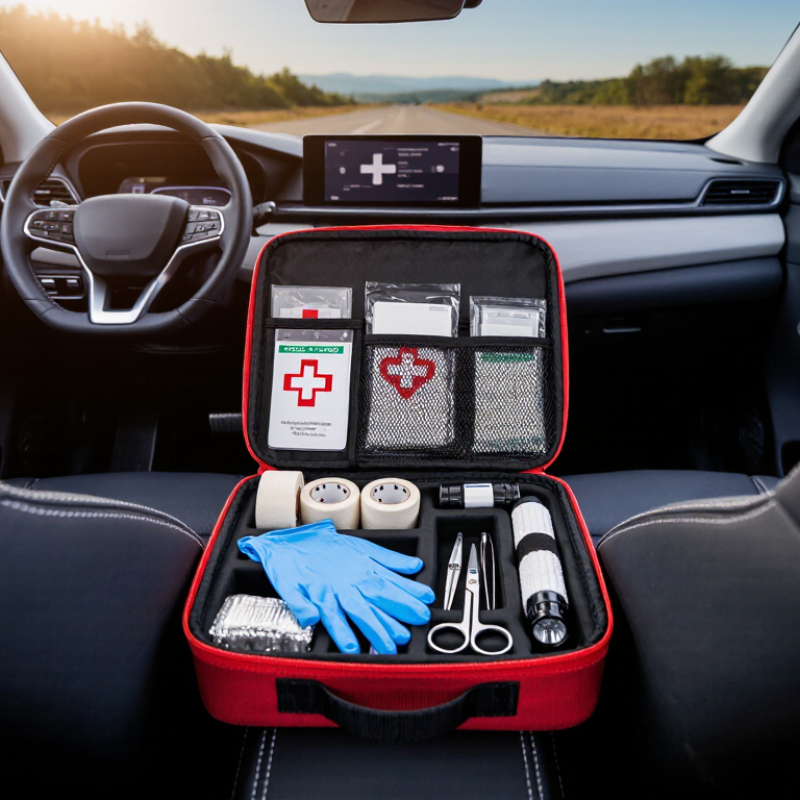
The best first aid kits for vehicles should match your passengers, routes, climate, and storage space. Check for sterile dressings, adhesive bandages, medical tape, antiseptic wipes, gloves, scissors, tweezers, and an emergency blanket. Include supplies for common personal needs, such as prescribed medicines or allergy concerns, when appropriate. A flashlight and simple instruction card can also help during poor weather or nighttime breakdowns.
Think about access.
A kit buried beneath luggage is not ready for use. Store it where passengers can reach it quickly, while protecting it from heat, moisture, and direct sunlight. Inspect the contents after every trip and replace damaged or expired items. Product labels and recognized safety guidance deserve careful attention, especially when choosing unfamiliar brands. However, no kit replaces professional medical care. Serious bleeding, breathing difficulty, chest pain, or suspected fractures require emergency assistance.
There is no perfect kit. Needs change.
A useful selection process also includes honest reflection. Many drivers buy a kit once and forget it for years. That habit can leave empty packets, hardened adhesive, or missing gloves when they matter most. This guide explains how to compare vehicle kits, identify practical weaknesses, and build a safer emergency setup for everyday travel.
Define the Purpose and Risks of a Vehicle First Aid Kit
Choosing a vehicle first aid kit starts with its purpose, not its appearance. A family car may need supplies for small cuts, burns, motion sickness, and children’s minor injuries. A work vehicle may face sharp tools, dust, heavy lifting, or chemical splashes. Consider the people, routes, and activities involved.
Think about realistic risks. A rural driver may need extra wound dressings because medical help could be far away. A winter driver may carry thermal blankets, while a camper may need blister care and insect-bite treatment. Useful basics include disposable gloves, sterile gauze, adhesive dressings, cleansing wipes, medical tape, blunt-ended scissors, tweezers, and a CPR face shield. Keep personal medicines separate and follow professional advice for their storage.
Location matters. Store the kit where passengers can reach it quickly, but keep it secured during sudden braking. Heat inside a parked vehicle can damage dressings, gels, and medicines. Check expiry dates and packaging every few months. Replace anything wet, opened, or missing. I once focused too much on adding items and overlooked poor organization. That slowed access to simple supplies. A clear layout is safer than an oversized kit. Do not rely on it for serious bleeding, breathing problems, or major trauma; contact emergency services and follow trained guidance.
How to Choose First Aid Kits for Vehicles?
Define the vehicle’s purpose, travel environment, and most likely hazards before selecting a first aid kit. The chart shows practical priority scores from 1 to 5, where 5 indicates that an item deserves the greatest attention.
Priority scores are a planning guide based on common vehicle-related hazards, not injury-frequency statistics. Kits should be adapted to passenger numbers, journey length, climate, and access to emergency services.
Evaluate Essential Supplies for Common Roadside Emergencies
How to Choose First Aid Kits for Vehicles?
A vehicle first aid kit should match the emergencies you may face on the road. Minor cuts, burns, sprains, and broken glass are common concerns. Choose sterile gauze, adhesive dressings, medical tape, antiseptic wipes, saline, and disposable gloves. Add blunt-tip scissors, tweezers, a triangular bandage, and an instant cold pack. A foil blanket can help during cold weather or after a crash.
For serious bleeding, include a pressure dressing and several pairs of gloves. However, supplies cannot replace proper training or emergency services. Keep a flashlight, spare batteries, and a small notepad nearby. These items support safer treatment when visibility is poor or information is needed quickly.
Check expiration dates every few months. Replace opened, wet, or damaged items immediately. My first kit was too small, and I learned that convenience should not reduce essential coverage.
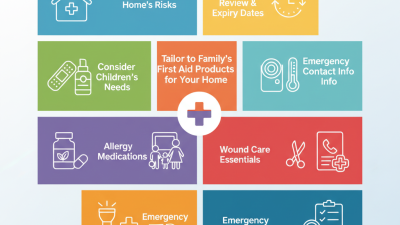
Tips: Store the kit where passengers can reach it, not under heavy luggage. Use a sealed, water-resistant container. Review its contents after family trips, outdoor travel, or seasonal changes. Include child-sized supplies when children regularly ride in the vehicle. Keep personal medicines separate and check them according to professional medical advice. Practice using bandages and gloves before an emergency happens. Practice matters.
Choose the Right Kit Size, Design, and Storage Location
Choosing a vehicle first aid kit starts with realistic risks, not the largest box available. A compact kit suits a commuter car with two occupants and limited trunk space. Families, vans, and vehicles used on remote roads need more supplies and stronger organization. Check the contents against likely needs, including dressings, gloves, cleansing wipes, scissors, and emergency instructions. A larger kit helps only when people can find items quickly. Size should match the journey.
Look for a bright, durable pouch or case with clear labels and wide-opening compartments. Water-resistant material helps protect sterile dressings from rain, spilled drinks, and damp luggage areas. A rigid case can prevent crushing, while a soft pouch may fit under a seat. Choose closures that stay shut during sudden braking but open with one hand. I once stored a small kit in a deep cargo compartment. It was well stocked, yet difficult to reach. That choice was not ideal.
Keep the kit inside the passenger area when possible, rather than beneath heavy luggage. A door pocket, glove compartment, or seat-back organizer may work if it remains accessible. Avoid direct sunlight, extreme heat, and freezing conditions, which can damage certain contents. Secure the case so it does not become a loose object during a collision. Inspect supplies every few months and replace used, damaged, or expired items. Try finding it in low light.
Check Medical Standards, Product Quality, and Expiration Dates
Medical standards come first. For vehicle use, check whether the kit follows ANSI/ISEA Z308.1-2021 or an equivalent national standard. This standard separates supplies by injury risk and kit type. A compact kit should clearly list contents, quantities, and intended use. The World Health Organization’s Global Status Report on Road Safety 2023 estimates 1.19 million road deaths annually. That figure makes basic preparation practical, not excessive.
Inspect the packaging before buying. Sterile dressings should remain sealed, dry, and undamaged. Gloves need intact wrappers, while antiseptic wipes should show readable dates. In my experience, cheap zippers and loose internal compartments create problems during urgent searches. Product quality is not just about the number of items. It includes labeling, material durability, visibility, and ease of access. A reflective pouch may be useful at night, although I once underestimated how quickly poor storage can hide it under luggage.
Expiration dates deserve a fixed checking routine. Replace sterile products, gels, medicines, and disinfectants before their stated dates. Heat inside parked vehicles can accelerate deterioration, even when the label remains valid. The U.S. Occupational Safety and Health Administration advises matching first-aid supplies to likely hazards and inspecting them regularly. Record the inspection month on a small card. It is simple. Still, many drivers forget. Recheck after road trips, seasonal temperature changes, or any opened package.
Maintain and Update the Kit for Ongoing Vehicle Safety
How to Choose First Aid Kits for Vehicles?
A vehicle first aid kit should match real travel conditions, not just its package size. The World Health Organization reports about 1.19 million annual road deaths and 20–50 million nonfatal injuries worldwide. Many incidents involve cuts, burns, sprains, or sudden illness. Choose a kit with sterile dressings, gloves, antiseptic wipes, medical tape, scissors, a cold pack, and a blanket. Add supplies for regular passengers, including children or older adults. A compact flashlight also helps during poor visibility.
Maintenance matters more than appearance. Check the kit every three months, and inspect it after any roadside emergency. Heat can damage adhesive products and medicines. Cold can affect liquid items. Store the kit inside the passenger area, away from direct sunlight. The U.S. National Highway Traffic Safety Administration recorded 40,901 traffic deaths in 2023. That figure does not predict every emergency, but it shows why readiness deserves attention. I once found a sealed kit with expired antiseptic wipes. It looked complete. It was not.
Tips: Keep a simple checklist inside the case. Record expiry dates. Replace opened items immediately. Use clear labels. Check gloves for brittleness and packaging damage. Avoid adding medicines without checking passenger needs and professional guidance. A small notebook can record allergies and emergency contacts. Keep local emergency instructions nearby. Review the kit before long trips, after extreme weather, and when the vehicle changes drivers. Some choices will be imperfect. Reassess them.