China Top Breathable Shirt Manufacturers for Global Buyers?

Choosing among China’s top breathable shirt manufacturers requires more than comparing catalog photos or factory claims. Global buyers need dependable fabric performance, stable production, clear communication, and evidence of responsible quality control. A Breathable Shirt may look lightweight on a screen, yet feel hot when worn outdoors. Fabric composition, yarn structure, finishing, and garment construction all affect comfort.

This guide introduces practical ways to evaluate Chinese manufacturers for wholesale and private-label projects. It considers cotton, linen blends, recycled fibers, mesh panels, moisture management, and airflow testing. It also examines sampling procedures, stitching quality, size consistency, packaging, and production capacity. Small details matter. A loose seam near the shoulder can weaken an otherwise excellent shirt. A collar may lose its shape after repeated washing.

Factory verification remains essential. Buyers should review certifications, audit records, laboratory reports, and recent production examples. They should also request a pre-production sample before approving bulk manufacturing. Supplier websites can help, but they rarely show the full picture. Direct questions often reveal more. Ask about minimum order quantities, fabric sourcing, lead times, inspection standards, and corrective actions.

No factory is perfect. Even experienced manufacturers may struggle with sudden material changes or rushed schedules. That weakness deserves honest attention, not polished wording. Reliable suppliers explain risks early and document solutions clearly. The right partner should support consistent quality, realistic pricing, and long-term cooperation. This introduction provides a practical starting point for buyers seeking capable China-based manufacturers and better Breathable Shirt sourcing decisions.
China Top Breathable Shirt Manufacturers for Global Buyers?

What Defines a High-Quality Breathable Shirt Manufacturer in China

A high-quality breathable shirt manufacturer in China should prove performance, not just describe it. During supplier evaluations, I look for fabric records, production samples, and repeatable testing. Air permeability, moisture absorption, drying time, and fabric weight should be measured by recognized laboratory methods. A sample that feels cool in a showroom may perform poorly after washing. That detail matters.

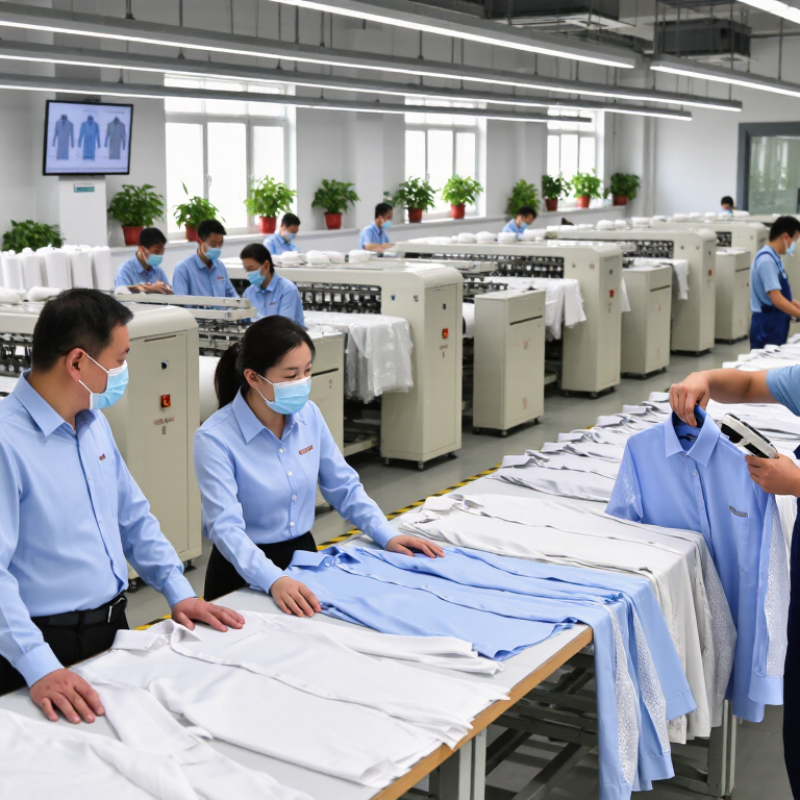
Experienced factories usually explain fiber selection clearly. Polyester can dry quickly, while cotton may offer softer skin contact. Blended fabrics can balance both, but the ratio needs evidence. Inspectors should check yarn consistency, dye evenness, shrinkage, and colorfastness. Factory teams should also show how they control needle marks, loose threads, and uneven seams. Small defects become uncomfortable during long wear.

Reliable production depends on more than a polished sample. Buyers should review incoming-material checks, inline inspections, final measurements, and packing records. A capable manufacturer can provide a size chart with tolerances, not vague promises. It should also explain lead times honestly when fabric availability changes. Clear communication is a practical sign of expertise.

Breathability can be weakened by dense prints, heavy labels, or poorly placed seam tape. Ask for wash-test reports and inspect shirts after repeated laundering. I have seen suppliers pass one sample review, then miss sleeve measurements in bulk production. That is not failure alone; it shows why process checks matter. A factory may be skilled, yet still need independent inspection before shipment. Good partnerships leave room for questions, corrections, and uncomfortable evidence.

Key Fabric Technologies Used in Breathable Shirt Production

For global buyers sourcing breathable shirts from China, fabric engineering matters more than appearance. Breathability begins with air permeability, moisture transport, and drying speed. Air-permeability tests, such as ASTM D737, measure how easily air passes through fabric. AATCC TM195 evaluates liquid moisture movement. These tests provide stronger evidence than the word “cooling” on a product sheet.

Polyester microfiber often dries quickly because its fine filaments spread moisture across a wider surface. Recycled polyester can offer similar performance, but fiber origin does not guarantee comfort. Lightweight cotton absorbs moisture well, yet it may dry slowly in humid conditions. Blended fabrics balance softness, strength, and drying speed. Mesh zones improve airflow under the arms and across the back. Small openings help. Too many can reduce coverage and durability.

Textile Exchange’s Materials Market Report 2024 estimates global fiber production reached 124 million tonnes in 2023. It may approach 160 million tonnes by 2030. This growth increases the need for efficient material selection and verified performance. During factory trials, buyers should request fabric weight, air-permeability results, drying-time data, and washing-retention tests. One fabric rarely wins every test. A shirt can wick quickly but still feel hot under direct sunlight. Fit, seam construction, dyeing, and finishing also change real-world comfort. I would question any supplier offering only a laboratory score. Field testing remains necessary.

Leading Chinese Breathable Shirt Manufacturers and Their Strengths

China’s leading breathable shirt manufacturers serve buyers through fabric expertise, flexible production, and practical quality controls. Many work with polyester mesh, bamboo blends, linen, and moisture-wicking knits. Each material suits a different climate and usage pattern.

Experienced factories often support custom sizing, private labels, color matching, and bulk orders. Their strengths usually include modern knitting equipment, skilled sewing teams, and in-house inspection. Reliable suppliers can provide fabric test reports, sample approval, production photos, and carton details before shipment. However, no factory is perfect. Stitching consistency may change between samples and large orders. Buyers should verify this through a pre-production sample and random inspections.

Tips for global buyers: Ask about fabric weight, air permeability, shrinkage, colorfastness, and washing performance. Request a clear size chart with garment measurements. Confirm production capacity during peak seasons. A factory’s lowest price may hide weaker fabric or slower quality checks. Visit the facility when possible, or use an independent inspection service. Small trial orders are wiser than immediate large commitments. They reveal communication gaps, packaging problems, and fit issues early. Clear technical documents also reduce misunderstandings across languages and time zones.

China Top Breathable Shirt Manufacturers for Global Buyers? - Leading Chinese Breathable Shirt Manufacturers and Their Strengths

Comparison of common Chinese breathable-shirt manufacturing capabilities. Specifications and certifications should be verified with each supplier before ordering.
Manufacturer Capability Type Common Breathable Fabrics Primary Strengths Typical Product Features Suitable Buyer Segments Documents to Request
Performance Knitwear Specialist Polyester mesh, recycled polyester, nylon-spandex blends, cotton-polyester jersey Efficient moisture movement, lightweight construction, stretch comfort, and sportswear-focused production Quick-dry finishes, engineered ventilation zones, raglan sleeves, reflective details, and flatlock seams Sportswear labels, outdoor retailers, fitness brands, and promotional apparel buyers Fiber-content report, colorfastness test, moisture-management test, and factory quality-control records
Technical Woven-Shirt Specialist Polyester ripstop, nylon, cotton-poplin blends, and lightweight stretch woven fabrics Structured silhouettes, abrasion resistance, dimensional stability, and professional uniform production Back pleats, underarm vents, mesh yokes, button plackets, utility pockets, and wrinkle-resistant finishes Workwear distributors, hospitality groups, uniform suppliers, and travel-apparel buyers Fabric composition, shrinkage test, tear-strength test, colorfastness report, and inspection report
Sustainable Material Manufacturer Recycled polyester, organic cotton, Tencel™ lyocell, hemp blends, and recycled nylon Traceable material sourcing, lower-impact fiber options, and sustainability documentation Low-impact dyes, recycled trims, mono-material designs, natural breathability, and recyclable packaging options Eco-conscious fashion brands, private-label retailers, and buyers with sustainability requirements GRS or GOTS certificate where applicable, transaction certificate, scope certificate, and restricted-substance test
Uniform and Workwear Producer Polyester-cotton, cotton-rich twill, poplin, oxford cloth, and moisture-control blends Consistent sizing, repeat production, bulk order management, logo application, and quality control Side vents, back ventilation panels, reinforced stress points, durable buttons, and easy-care finishes Corporate uniforms, logistics companies, restaurants, factories, and service-industry buyers ISO 9001 evidence if claimed, social-compliance audit, needle-policy record, inspection plan, and size chart
Private-Label OEM/ODM Producer Buyer-selected knits and wovens, including cotton, polyester, nylon, viscose, and blended fabrics Custom patterns, label development, sampling, packaging, and coordinated production services Custom collars, sleeve construction, trims, prints, embroidery, hangtags, and packaging specifications Emerging brands, online retailers, department-store suppliers, and private-label importers Pre-production sample approval, material test report, packaging specification, AQL inspection plan, and production timeline
Premium Natural-Fiber Shirt Producer Linen, cotton-linen, organic cotton, Tencel™ lyocell, and ramie blends Natural airflow, soft hand feel, temperature comfort, and premium casual styling Open-weave textures, relaxed fits, camp collars, garment washing, breathable pockets, and lightweight construction Resortwear brands, premium casual labels, lifestyle retailers, and summer apparel buyers Fiber-content verification, shrinkage test, colorfastness test, pilling assessment, and care-label review
Small-Batch Development Supplier Stock polyester mesh, cotton jersey, linen blends, viscose, and readily available deadstock fabrics Flexible sampling, low-volume product development, rapid design adjustments, and small initial orders Basic ventilation panels, custom colors subject to fabric availability, screen printing, and embroidery Start-up brands, test-market projects, event apparel buyers, and limited-edition collections Sample measurement sheet, fabric availability confirmation, production quotation, lead-time schedule, and final inspection terms

How Global Buyers Should Evaluate Chinese Shirt Suppliers

China Top Breathable Shirt Manufacturers for Global Buyers

How Global Buyers Should Evaluate Chinese Shirt Suppliers

A breathable shirt supplier should prove performance, not only show attractive samples. Request fabric details, including fiber content, GSM, air permeability, and moisture management results. Ask whether testing comes from an accredited laboratory. A polished catalog is not proof. Request production samples from different batches, then compare color, stitching, shrinkage, and fabric hand feel. Small differences matter.

Evaluate the factory behind the trading conversation. Review its equipment, quality-control process, monthly capacity, and experience with similar shirt constructions. A video call can reveal cutting tables, sewing lines, inspection areas, and unfinished work. If possible, arrange an independent factory audit. Check business registration, export experience, sample approval procedures, and written lead times. Reliable suppliers explain problems early. They should also provide clear records for fabric sourcing and final inspection. Some factories communicate well before receiving an order, then respond slowly later. Treat that as a warning.

Tips: Send a detailed technical pack with measurements, seam requirements, color references, packaging instructions, and acceptable tolerances. Order a pre-production sample. Test it after washing. Confirm the inspection standard before mass production. Compare at least three suppliers, but do not choose by price alone. A low quotation may hide weaker fabric or rushed sewing. Ask about minimum order quantities and replacement policies. Document every agreement. Even careful buyers miss details, especially around shrinkage and color variation. Review the process after each shipment.

Export, Quality Control, and Compliance Considerations for Buyers

For global buyers, choosing a breathable shirt manufacturer requires more than comparing unit prices. Experienced sourcing teams inspect fabric composition, yarn quality, and finishing records before approving samples. Ask for test reports covering air permeability, colorfastness, shrinkage, and seam strength. A shirt that feels cool in a showroom may perform poorly after repeated washing. Request samples in the intended fabric weight, not a promotional substitute. Small details matter.

Export readiness should be verified through practical documents. Check the factory’s business registration, production address, packing list process, commercial invoice accuracy, and country-of-origin information. Confirm whether the manufacturer can meet destination-market labeling rules, fiber disclosures, care instructions, and packaging requirements. Independent pre-shipment inspections can compare carton counts, measurements, stitching, and shade consistency against the approved sample. Keep a written tolerance range. Otherwise, disagreements become expensive.

Quality control works best as a documented routine, not a final promise. Ask for incoming-fabric checks, inline inspections, needle-control procedures, and final random inspection reports. Compliance also includes worker safety, restricted-substance testing, and traceable subcontracting. A supplier may provide polished certificates yet struggle with stable production capacity. Buyers often overlook this gap after one attractive sample. That decision deserves reconsideration. Start with a pilot order, record defects by type, and review corrective actions with dated evidence. Clear communication helps, but evidence carries more weight.

Standard moisture regain indicates how much moisture a fiber absorbs under standard atmospheric conditions. Higher values can support moisture management in breathable shirt fabrics, but buyers should also verify fabric construction, colorfastness, restricted substances, labeling, and destination-market compliance.

Reference: Typical standard moisture regain values from ASTM D1909 and ISO 139 conditioning conditions.