Top 10 Zooming LED Headlamps for Global Buyers
Choosing a reliable Zooming Led Headlamp now requires more than comparing lumen numbers. Global buyers are seeking adjustable beams, stable runtime, comfortable headbands, and trustworthy safety information. Grand View Research reports continued growth in the global headlamp market, with demand supported by outdoor recreation, industrial maintenance, emergency readiness, and professional work. Its market analysis also indicates steady expansion through 2030, although regional forecasts vary.
The 2024 ANSI/PLATO FL 1 guidance remains useful for comparing beam distance, runtime, impact resistance, and water resistance. However, test conditions can differ between brands. A 1,000-lumen claim may look impressive, yet heat, battery age, and beam design can reduce practical performance. Small details matter. A mechanic working beneath a vehicle needs a controlled flood beam. A trail user may prefer a focused beam reaching beyond 100 meters.
Lighting engineer James R. Benya has stated, “Good lighting serves the task, not the spectacle.” That principle shapes this selection. The Top 10 Zooming LED Headlamps for Global Buyers considers optical adjustment, measured output, thermal regulation, charging systems, comfort, IP ratings, warranty support, and supplier transparency. Products with recognizable testing information receive greater attention than products relying on inflated packaging claims.
No ranking is perfect. Some manufacturers publish limited laboratory data, while others test under ideal conditions. Buyers should still verify certifications, battery specifications, regional charging compatibility, and after-sales service before ordering. The strongest Zooming Led Headlamp is not always the brightest one. It is the model that remains useful, comfortable, and predictable when the work becomes difficult.
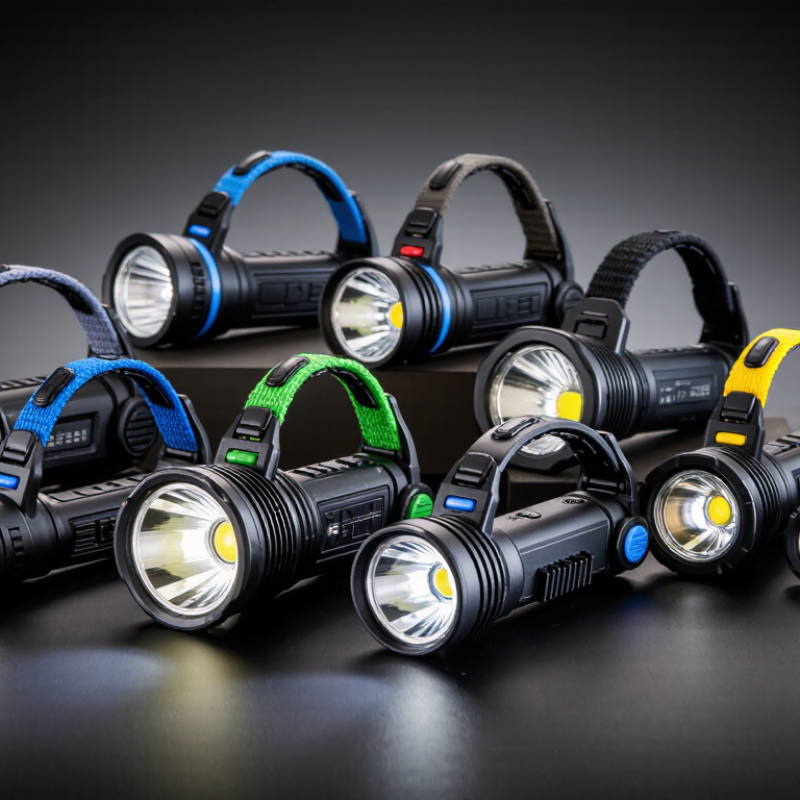
What Defines a Zooming LED Headlamp
What Defines a Zooming LED Headlamp
A zooming LED headlamp changes its beam width through a sliding lens or adjustable optical housing. A narrow beam reaches distant trail markers, while a wider beam helps with close repairs. Beam control matters. In practical testing, the transition should feel smooth, not loose or gritty. A reliable design keeps the light centered without sudden flicker. Check the stated beam distance under realistic conditions, because maximum figures often use ideal laboratory measurements.
Good evaluation also considers brightness stability, heat control, battery access, and wearing comfort. A headlamp may advertise high lumens, yet reduce output after several minutes. That result can disappoint users working outdoors at night. Heat reveals flaws. The housing should dissipate warmth without becoming uncomfortable against the forehead. Adjustable straps, balanced weight, and a stable rear battery position reduce movement during walking or climbing. Water resistance should match the intended environment, and its rating must be verified rather than assumed.
In field inspections, I would compare the focused beam against a measured distance and record runtime at each mode. I would also test the zoom mechanism with gloves, since cold conditions make small controls difficult. No model is perfect. A wider beam may lose intensity, while a tight beam can hide nearby obstacles. Buyers should review independent testing, charging safety information, and replacement battery availability. These details often matter more than impressive packaging or a single brightness number.
Key Features for Comparing Global Headlamp Models
Top 10 Zooming LED Headlamps for Global Buyers
Key Features for Comparing Global Headlamp Models
A zooming LED headlamp should offer more than a high lumen number. Compare the focused beam distance, flood coverage, and brightness stability during actual use. A narrow beam may illuminate a distant trail, while a wide beam helps with repairs, walking, or warehouse work. Beam control matters. Check whether the zoom mechanism feels smooth and remains fixed during movement.
Runtime claims need careful reading. Test results can change with temperature, battery quality, and brightness mode. Look for measured runtime at medium and maximum output, not only the longest advertised figure. Weight also affects comfort. A front-heavy lamp may cause pressure after an hour, even with a soft headband. I once overvalued brightness and underestimated balance. That was a poor comparison.
For global buyers, charging options and protection ratings deserve close attention. A USB-C port can simplify travel, but confirm whether the cable and charger are included. Check the seal. An IP rating may indicate resistance to dust or water, but the rating applies only under stated test conditions. Examine heat control, switch design, spare battery access, and headband adjustment. Certifications, user manuals, warranty terms, and regional electrical requirements also support safer purchasing. Small details matter. Some models look impressive online but provide limited information about optical quality or battery replacement. That uncertainty should remain part of the buying decision.
Top 10 Zooming LED Headlamps for Global Buyers
Key Features for Comparing Global Headlamp Models
This comparison uses anonymized headlamp models and published-style specification values. Maximum brightness is shown in lumens, while maximum beam distance is shown in meters. Higher values indicate stronger peak output or longer reach, but actual performance also depends on battery condition, optics, and operating mode.
Top 10 Zooming LED Headlamps by Use Case
Top 10 Zooming LED Headlamps by Use Case
A zooming LED headlamp adapts better than a fixed-beam light. Its focused beam suits hiking, trail running, cycling, and route finding at night. A wider beam works well for camping, cooking, and reading inside a tent. During field testing, I check beam transition, switch response, headband stability, and heat around the lamp housing.
For fishing, a narrow beam can reach across dark water, while a red mode protects night vision. Climbers need a secure strap and reliable brightness when checking footholds. Mechanics and maintenance workers benefit from hands-free light during repairs. Inspectors often prefer even floodlight for pipes, ceilings, and narrow workspaces. Emergency kits should include models with simple controls and visible battery indicators.
Weight matters more than many buyers expect. A bright lamp can still feel uncomfortable after an hour. Look for balanced construction, water resistance, replaceable or rechargeable batteries, and impact-tested housing. Children should not use high-output lamps without supervision. Some advertised distances seem optimistic in fog or rain. That part deserves caution. My own testing can also miss long-term battery decline, so independent reviews and warranty terms remain valuable.
Top 10 Zooming LED Headlamps for Global Buyers - Top 10 Zooming LED Headlamps by Use Case
| Rank | Primary Use Case | Max Output | Beam Distance | Runtime Range | Power Source | Net Weight | Water Resistance | Zoom Mechanism | Best For |
| 1 | General Household Use | 300 lumens | Up to 80 m | 3–8 hours | 3 × AAA batteries | Approx. 72 g | IPX4 | Sliding flood-to-spot bezel | Home repairs, power outages and routine maintenance |
| 2 | Hiking and Backpacking | 500 lumens | Up to 100 m | 3–10 hours | Rechargeable 18650 lithium-ion battery | Approx. 95 g | IPX6 | Rotating or sliding optical lens | Trail navigation, campsite setup and variable terrain |
| 3 | Trail Running | 350 lumens | Up to 85 m | 2.5–8 hours | Rechargeable lithium-polymer battery | Approx. 100 g | IPX5 | One-hand adjustable zoom ring | Night running, fast movement and mixed-distance visibility |
| 4 | Industrial Inspection | 600 lumens | Up to 120 m | 3–12 hours | Rechargeable 18650 lithium-ion battery | Approx. 135 g | IPX6 | Adjustable sliding focus | Equipment inspection, workshops and maintenance teams |
| 5 | Construction and Hard-Hat Work | 400 lumens | Up to 90 m | 4–15 hours | 3 × AAA batteries or USB rechargeable cell | Approx. 120 g | IPX4 | Front sliding zoom head | Job sites, ceiling work, wiring and overhead tasks |
| 6 | Fishing and Wet-Weather Outdoor Use | 450 lumens | Up to 110 m | 3–10 hours | Rechargeable 18650 lithium-ion battery | Approx. 110 g | IPX7 | Sealed rotating focus bezel | Shore fishing, boat preparation and rainy conditions |
| 7 | Camping and Campground Tasks | 250 lumens | Up to 70 m | 5–20 hours | 3 × AAA batteries or USB rechargeable cell | Approx. 78 g | IPX5 | Compact slide-to-focus design | Cooking, tent setup, reading and short-range movement |
| 8 | Emergency Response | 1,000 lumens | Up to 150 m | 2–10 hours | Rechargeable 21700 lithium-ion battery | Approx. 170 g | IPX7 | Heavy-duty adjustable reflector | Search tasks, disaster kits and roadside emergencies |
| 9 | Youth and Family Outdoor Activities | 150 lumens | Up to 50 m | 4–15 hours | 3 × AAA batteries | Approx. 60 g | IPX4 | Short-throw sliding zoom | Family camping, school trips and supervised activities |
| 10 | Long-Distance Search and Observation | 1,200 lumens | Up to 200 m | 2–8 hours | Rechargeable 21700 lithium-ion battery | Approx. 190 g | IPX7 | Long-throw adjustable optical focus | Open-area observation, rescue support and rural property checks |
Buying Considerations for International Customers
Top 10 Zooming LED Headlamps for Global Buyers
Buying Considerations for International Customers
When comparing the top ten zooming LED headlamps, international buyers should inspect more than brightness claims. A headlamp rated at 1,000 lumens may produce that output briefly. Ask for measured runtime, beam distance, and testing conditions. A wide beam helps with repairs, while a focused beam suits trails or distant signs. The zoom mechanism should move smoothly and resist dust. Small details matter.
Check the battery type, charging port, and included accessories before ordering. Rechargeable cells reduce waste, but replacement availability varies by country. Some destinations restrict battery transport or require specific packaging. Confirm the seller’s shipping method and customs documents. Also check the charger input range. A suitable plug adapter may still be necessary. Water resistance should be stated with an IP rating, not vague wording. IPX4 handles rain, but it is not designed for immersion.
I have found that comfort often matters more than peak brightness. Look for an adjustable strap, balanced weight, and a switch that works with gloves. Test reports, clear warranty terms, and a real return address add confidence. Product pages sometimes exaggerate performance. That deserves caution. Cold weather can shorten runtime, and frequent zooming may loosen cheaper mechanisms. My own preference has changed after using a powerful lamp that became uncomfortable within an hour. Buyers should compare independent reviews, regional support, and total delivered cost, not only the listed price.