Blog
What Are the 10 Best First Aid Kits in 2026?
Choosing among the 10 best first aid kits in 2026 is not about counting bandages. It is about matching supplies to real risks, users, and settings. The National Safety Council’s Injury Facts reported that roughly 62 million injury cases received medical attention in the United States in 2022. That figure does not predict what any household will face, but it underscores why accessible, well-stocked first aid kits matter.
Details count. A family kit may need child-sized supplies and clear instructions. A vehicle kit should tolerate temperature changes and stay easy to reach. For workplaces, ANSI/ISEA Z308.1 sets minimum requirements for first aid kit contents and classifications. Buyers should still check the kit’s actual inventory, expiration dates, and refill options. A label alone proves little.
Surgeon and patient-safety writer Dr. Atul Gawande observed in The Checklist Manifesto, “The volume and complexity of what we know has exceeded our individual ability to deliver its benefits correctly, safely, or reliably.” His point concerns reliable care, not product rankings; it nevertheless applies to kit checks. A tidy case helps, but only if people can identify and use its contents. Small details matter. This guide compares 10 first aid kits for their contents, portability, organization, and value. No kit suits every situation, and a review cannot replace training or professional medical advice. Think of these picks as a practical starting point, not a promise of safety.
How First Aid Kits Are Evaluated for 2026
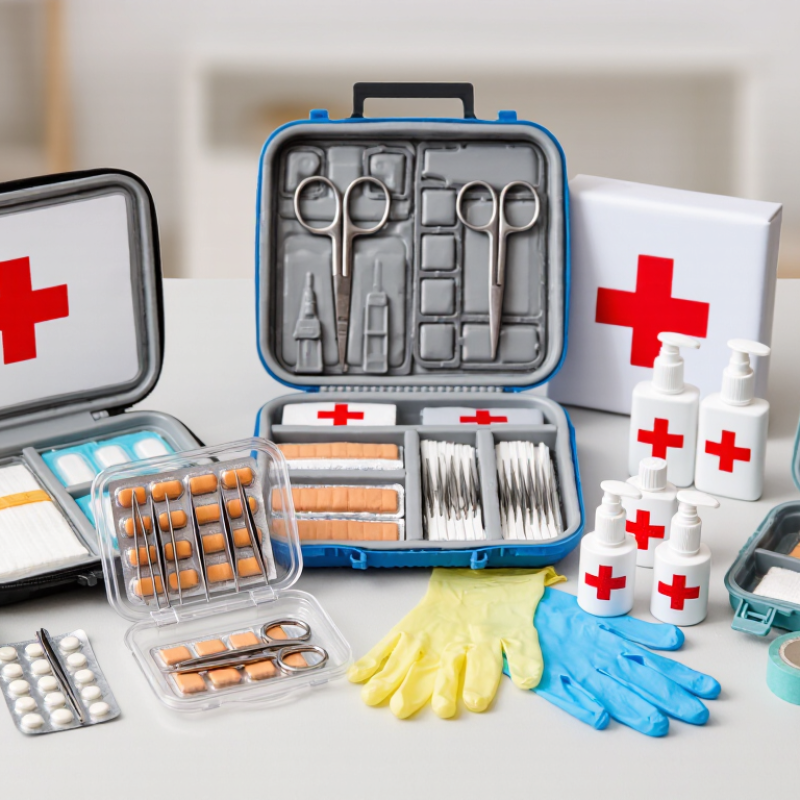
A useful evaluation starts with the situation the kit must serve. A home kit should be easy to find and restock; a travel kit needs compact packaging that stays secure in a bag. We compare the range of supplies, clear labeling, and whether common items are protected from moisture. Small details matter. A pair of gloves buried beneath bulky packaging can slow access when someone feels stressed. We also check whether instructions are readable and whether the contents suit basic wound care, rather than assuming every kit covers every emergency.
Durability and upkeep matter as much as the item count. We look for sturdy closures, organized compartments, and supplies with visible expiration dates. A large kit is not automatically better. Nor is a long list of contents proof of quality. We consider whether replacement supplies are easy to identify and whether the kit can be checked without unpacking everything. Fit matters. Personal needs, such as regular medication or child-sized dressings, may call for additions from a qualified health professional. One imperfect part of any comparison is that portability can seem more important than it is; a kit left in a hot car may also need closer inspection. Our assessment therefore weighs practical access, clear information, and realistic maintenance over flashy extras.
Which 10 First Aid Kits Stand Out in 2026
The strongest first-aid kits match the setting, not a universal ranking. The National Safety Council’s Injury Facts 2024 reports that about 62 million people in the United States needed medical attention for injuries in 2022. The Bureau of Labor Statistics recorded 2.8 million nonfatal injury and illness cases in private industry that year.
That matters. A kitchen drawer and a worksite have different needs.
Ten useful options stand out by purpose:
Check expiration dates, sealed packaging, and whether supplies suit the intended users.
Not perfect. A well-stocked kit still cannot replace training or professional care, and some “all-in-one” cases include items a household may never use. Choose based on likely hazards, storage conditions, and how quickly someone can find each item.
What Each Recommended Kit Includes and Who It Suits
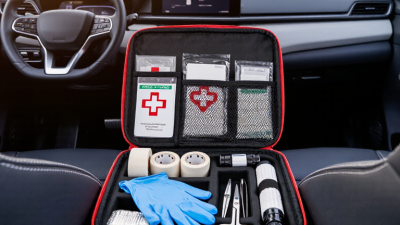
A compact home kit suits renters and small households: adhesive strips, sterile gauze, tape, gloves, and saline wound wash. A family kit adds child-size dressings and a digital thermometer. A car kit needs gloves, a trauma dressing, and a compact emergency blanket. A travel pouch works for minor cuts and blisters, with antiseptic wipes, blister pads, and tweezers. A hiking kit adds a compression wrap and water-resistant dressings. Small details matter. WHO’s 2023 road-safety fact sheet estimates 1.19 million road deaths worldwide each year, a reason to keep vehicle supplies reachable, not buried under luggage.
A workplace wall kit should match likely hazards and team size, with gloves, gauze, and eye-rinse supplies where appropriate. A burn-care kit suits kitchens and workshops; include sterile non-adherent dressings and clear instructions to cool burns with clean running water. A bleeding-control kit, with gloves, gauze, and a pressure dressing, is best for trained responders. A sports kit helps coaches manage minor wounds and sprains with cold packs, elastic wraps, and wound-care supplies. A child-care kit needs child-size dressings, gloves, and a thermometer. Keep prescribed personal medicines separate and accessible.
The CDC’s 2022 WISQARS data recorded 227,039 U.S. deaths from unintentional injuries, underscoring the value of preparation without making a kit a substitute for care. Check expiration dates and replace used items. Honestly, many kits look better stocked than they are; open one before an emergency, and make sure users know where key supplies sit. For severe injuries, call emergency services.
How to Choose a Kit for Home, Travel, Work, or Outdoor Use
A home kit should handle small cuts, burns, and sprains, with supplies stored in a dry, visible place. Keep it reachable. Check expiry dates and replace used items; a forgotten pair of gloves can make a tidy kit less useful. For travel, choose a compact, clearly organized case and add personal medicines, allergy treatments, and any supplies a clinician recommends. Small kits travel. For outdoor use, prioritize wound care, blister protection, tweezers, and a weather-resistant container. Match the contents to the trip’s length and distance from medical care.
At work, choose supplies based on the hazards and number of people on site, not just a high item count. The U.S. Bureau of Labor Statistics reported 2.6 million nonfatal workplace injuries and illnesses in private industry for 2023. That figure supports keeping suitable supplies accessible, alongside staff training and a clear emergency plan. CDC’s 2022 WISQARS data recorded 227,039 U.S. deaths from unintentional injuries; a first aid kit cannot replace emergency services. Not every kit fits. Compare contents, packaging, instructions, and restocking needs before buying. I would still review a kit after each use; even a sensible checklist can miss the one item a particular household or team relies on.
| Pick | Best For | Suggested Capacity | Useful Contents to Look For | Advantages | What to Check Before Buying |
|---|---|---|---|---|---|
| 1. Home First Aid Kit | Everyday minor injuries in an apartment or house | One household; choose a larger supply for more people | Assorted adhesive bandages, sterile gauze pads, medical tape, gloves, antiseptic wipes, tweezers, small scissors, and a first-aid guide | Versatile contents cover common small cuts, scrapes, and minor burns | Check that supplies are easy to find, sealed items are intact, and the kit can be stored in a dry, accessible place |
| 2. Compact Travel Kit | Day trips, commuting, and light packing | One or two travelers | Bandages, gauze, antiseptic wipes, blister dressings, gloves, tweezers, and a compact pair of scissors | Lightweight and easy to keep in a day bag or luggage | Confirm the case is durable and contents comply with rules for your transport; add personal medicines separately |
| 3. Family Road-Trip Kit | Car travel and family outings | Several travelers, with supplies matched to the group | Assorted bandages, gauze, tape, gloves, antiseptic wipes, an elastic wrap, tweezers, and a first-aid guide | Provides a useful range of basic supplies for common minor injuries away from home | Store it so it is accessible, protect it from excessive heat, and account for children’s ages and individual needs |
| 4. Workplace First Aid Kit | Offices, workshops, and other work settings | Base capacity on staff numbers, hazards, layout, and access to medical help | Bandages in several sizes, sterile dressings, gauze, gloves, tape, eye-wash supplies where appropriate, and a contents checklist | Can be tailored to the actual risks and kept in a known, accessible location | Review applicable local workplace requirements and site hazards; assign someone to inspect and restock it |
| 5. Hiking and Camping Kit | Day hikes, campsites, and remote outdoor trips | Match supplies to group size, trip length, and remoteness | Bandages, gauze, tape, blister care, elastic wrap, gloves, tweezers, wound-cleaning supplies, and a compact guide | Outdoor-oriented contents can help with minor cuts, blisters, and sprains | Choose a water-resistant, sturdy case; plan for weather and access to help, and carry supplies suited to your training |
| 6. Adventure and Remote-Area Kit | Backcountry trips and activities far from prompt medical care | Set capacity according to group size, duration, and remoteness | Expanded wound dressings, gauze, medical tape, gloves, elastic wrap, blister treatment, trauma shears, and emergency instructions | Allows more preparation for a wider range of situations than a basic day kit | Specialized items require appropriate training; consider a first-aid course and a trip-specific emergency plan |
| 7. Sports and Fitness Kit | Gyms, team sports, and recreational activities | One activity group or team; scale to participation and venue | Adhesive bandages, gauze, tape, gloves, instant cold packs, elastic wraps, and a first-aid guide | Useful for common minor scrapes and for supporting an injured area while arranging further care | Cold packs and wraps do not replace medical assessment; check pack instructions and local activity rules |
| 8. Compact Personal Kit | Wallets, small purses, and minimalist everyday carry | One person, for basic minor-injury supplies | A few adhesive bandages, small gauze dressings, antiseptic wipes, and a pair of disposable gloves | Small and convenient to carry routinely | Its limited contents are not a substitute for a household, workplace, or group kit |
| 9. Family Kit with Child-Friendly Supplies | Households with children | Choose quantities for the number and ages of household members | Standard wound-care supplies, smaller bandages, gloves, tweezers, and a clear guide; include child-appropriate items where suitable | Makes common supplies easier to use for family needs | Keep medicines and sharp tools secured; check age guidance, allergies, and expiry dates |
| 10. Refillable First Aid Kit | People who want to inspect, customize, and replenish supplies | Choose a case size based on where it will be used and how many people it serves | A durable organized case, a starter range of dressings and bandages, gloves, tape, and a replaceable inventory list | Easy to adapt to changing household, travel, or workplace needs | Compare the actual included contents rather than the case size; set reminders to replace used, damaged, or expired supplies |
How to Store and Maintain a First Aid Kit
Store a first aid kit where adults can reach it quickly, but keep it dry, clean, and away from direct sunlight. Heat and moisture may damage adhesive bandages, sterile dressings, and some medicines. A bathroom cabinet can be a poor choice. Small things matter.
Keep supplies in their original packaging so instructions and expiry dates remain visible. For a vehicle kit, check it more often because cabin temperatures can swing sharply.
Set a recurring inspection date and replace used, damaged, or expired items. Check seals, packaging, and any medicine labels; follow the manufacturer’s storage instructions rather than guessing. Check the dates.
The U.S. Bureau of Labor Statistics recorded 2.8 million nonfatal workplace injuries and illnesses in private industry in 2022, in its Employer-Reported Workplace Injuries and Illnesses report. That figure is a reminder to match kit contents to likely hazards and the number of people nearby.
ANSI/ISEA Z308.1-2021 also sets minimum workplace kit requirements, but a standard kit may not cover every setting. I have missed a refill date before; a calendar reminder is more reliable than memory.
After each use, restore the kit promptly and note anything that needs replenishing.