2026 Top Sports First Aid Kits for Global Buyers

Choosing the right sports first aid kit in 2026 requires more than comparing pouch sizes and product counts. Teams, schools, clubs, and event organizers face different injury risks, climates, travel conditions, and responder skills. A beach volleyball tournament needs waterproof dressings and cooling supplies. A mountain cycling group may require stronger wound protection, blister care, and emergency communication support.

The World Health Organization reported that approximately 1.71 billion people live with musculoskeletal conditions worldwide. This figure covers many causes, not sports alone, but it highlights the importance of practical injury preparation. The International Federation of Red Cross and Red Crescent Societies also emphasizes early first aid as a critical step before professional care arrives. For global buyers, that means evaluating usability, labeling, training, and replenishment—not simply buying the largest box.

No kit is perfect.

This 2026 guide compares leading sports first aid options through an evidence-informed lens. It considers wound care, sprain support, burn response, eye protection, hygiene, portability, and supply durability. It also reviews guidance associated with recognized standards, including ANSI/ISEA Z308.1 for first aid supplies and current resuscitation recommendations from the European Resuscitation Council. These references do not replace local medical protocols. They provide a reliable purchasing framework.

Real-world experience still matters. A kit may look comprehensive yet fail when gloves are too small, tape loses adhesion, or instructions are unclear under pressure. Buyers should question marketing claims and verify expiry dates, material quality, language access, and after-use replacement policies. Small details can decide whether a response is calm or chaotic.
2026 Top Sports First Aid Kits for Global Buyers

What Defines a High-Quality Sports First Aid Kit in 2026

2026 Top Sports First Aid Kits for Global Buyers

What Defines a High-Quality Sports First Aid Kit in 2026

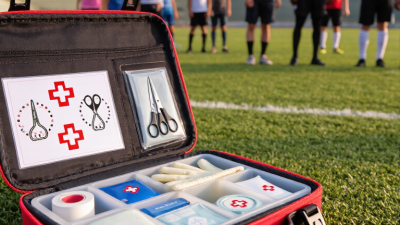
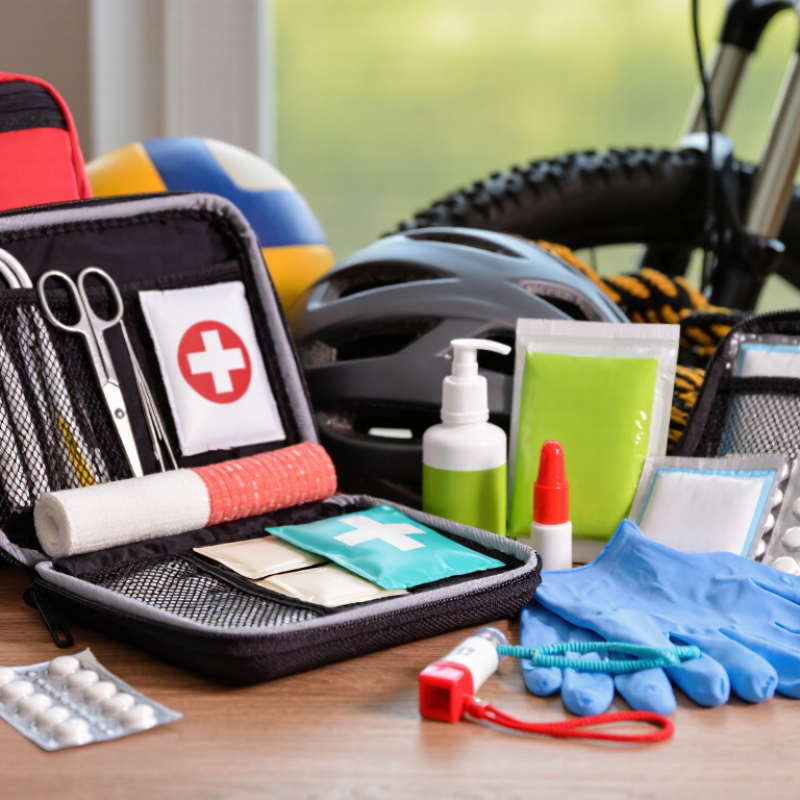
A high-quality sports first aid kit supports fast, calm decisions during training and competition. It should include sterile gauze, adhesive dressings, cohesive bandages, medical tape, gloves, antiseptic wipes, and a cold pack. Blunt-tip scissors matter when clothing must be cut safely. A simple emergency card should show local contact numbers and basic response steps. Keep it readable.

Design affects real performance. A compact kit should open quickly, even with wet hands or limited light. Water-resistant packaging protects dressings from rain, grass, and spilled drinks. Clear compartments reduce searching time. For travel, contents should be labeled in plain English and use familiar medical terms. Regional language inserts can improve communication with coaches, athletes, and medical staff.

Reliability requires regular inspection, not optimistic storage. Check seals, expiration dates, damaged packaging, and depleted supplies after every event. A kit may look complete while one essential dressing is missing. That happens. A written inventory helps expose the gap. However, checklists are not perfect; unusual sports injuries may require supplies beyond a standard kit. Training remains essential, and serious injuries need qualified medical care. A quality kit supports professional response, but it never replaces it.

Essential Items and Medical Supplies in a Sports First Aid Kit

A sports first aid kit should match the injuries likely to occur during training and competition.

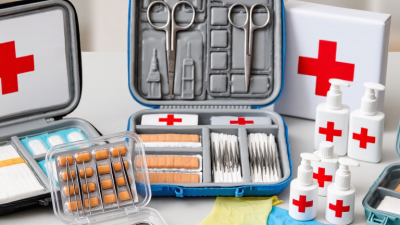
Essential supplies include sterile gauze, adhesive bandages, medical tape, and a triangular bandage. Nitrile gloves matter. Add antiseptic wipes, sterile saline, and a small waste bag for safer wound care. Blister pads can protect athletes whose feet face repeated friction. Choose sealed, clearly labeled supplies that are easy to identify under pressure.

For sprains and minor muscle injuries, pack instant cold packs, elastic compression bandages, and cohesive wrap.

Include blunt-tip scissors, tweezers, and a digital thermometer. A breathing barrier may support safer emergency response, while an emergency contact card keeps key information accessible. Pain medicine should not be shared casually, because allergies, age, and medical conditions require professional judgment. A trained first aider should assess serious bleeding, head injuries, breathing problems, or suspected fractures.

Practical preparation is not perfect. A heavy kit may stay untouched on the bench, while one missing item can matter greatly. Inspect supplies before every event, replace damaged packaging, and check expiration dates monthly. Keep separate kits for outdoor fields, indoor courts, and long-distance travel. Review the contents after each incident; used items often reveal weak planning. Clear instructions help, but they never replace emergency services or qualified medical care.

How to Choose a Kit for Different Sports and Injury Risks

2026 Top Sports First Aid Kits for Global Buyers

Sports injury patterns should guide kit design, not attractive packaging. The CDC’s NCHS Data Brief No. 278 estimated 8.6 million annual sports and recreation injury episodes in the United States during 2011–2014. That figure supports practical preparation, especially for high-participation activities.

Soccer and basketball kits need elastic wraps, cold packs, blister protection, and wound dressings. Cycling kits should add larger abrasions dressings, saline, and gloves for roadside care. Contact sports require stronger bleeding-control supplies, while swimming facilities need waterproof dressings and eye-rinse capability. NCAA Injury Surveillance Program research consistently reports higher injury rates during competition than practice. Competition kits should therefore remain courtside, not locked in a distant office. Keep it visible.

Risk assessment must also consider heat, dust, humidity, and travel distance to medical care. Select sealed dressings with clear expiration dates, multilingual instructions, and replacement records. A kit without trained users is only a container. Short drills can improve response quality, but they cannot replace professional medical evaluation.

I still see teams overpack gauze and underprepare for blisters. That is an easy mistake. Review injury logs every season, then adjust quantities by sport, athlete numbers, and venue conditions. Some choices remain imperfect. Reliable purchasing means documenting those gaps rather than hiding them.

2026 Top Sports First Aid Kits for Global Buyers - How to Choose a Kit for Different Sports and Injury Risks
Practical selection guide based on common sports injuries, environmental conditions, participant numbers, and venue requirements.

Sport / Activity Typical Injury and Hazard Profile Recommended Kit Type Priority Contents Recommended Capacity Environmental Considerations Selection Notes for Global Buyers
Football / Soccer Abrasions, cuts, sprains, muscle strains, impact injuries, and occasional suspected fractures. Team field kit with supplementary cold-treatment and wound-care supplies. Sterile gauze, adhesive dressings, conforming bandages, elastic support bandages, instant cold packs, wound-cleaning wipes, gloves, trauma shears, and a foil blanket. One sideline kit for approximately 15–25 participants; add refills for tournaments. Water-resistant case, visible color, secure closures, and supplies that remain usable in heat and humidity. Choose a portable kit that can be carried quickly from the bench to the playing area. Include a separate emergency communication plan.
Basketball / Volleyball Finger and hand injuries, ankle sprains, knee strains, floor burns, and minor collisions. Compact indoor court kit emphasizing support, compression, and wound protection. Finger dressings, sterile pads, cohesive or elastic bandages, cold packs, antiseptic wipes, medical tape, gloves, and blunt-tip scissors. One kit for each court or team group; increase quantities for multi-court events. Compact design is more important than large volume; use a clean, organized case for rapid access during play. Avoid relying on athletic tape as a substitute for medical assessment. Suspected dislocations or fractures require professional care.
Running / Track Events Blisters, abrasions, overuse pain, falls, heat illness, dehydration, and occasional exertional collapse. Lightweight event medical kit with strong blister, wound, and heat-response capability. Blister dressings, hydrogel or non-adherent pads, sterile gauze, cleansing wipes, gloves, instant cold packs, foil blankets, and oral rehydration solution where permitted by local policy. One central kit plus smaller course or aid-station kits for large events. For hot climates, use heat-resistant packaging and maintain shaded aid stations with drinking water and emergency access. A first aid kit does not replace cooling, hydration, monitoring, or emergency medical procedures for suspected heatstroke.
Cycling / Mountain Biking Road rash, lacerations, puncture wounds, sprains, fractures, head impacts, and exposure to weather. Rugged, compact outdoor kit designed for transport in a backpack or vehicle. Large sterile dressings, wound irrigation solution, gauze rolls, pressure bandages, adhesive tape, gloves, trauma shears, triangular bandage, and foil blanket. One personal kit per small riding group; larger organized rides need route-based support kits. Prioritize waterproof construction, dust protection, reflective markings, low weight, and easy one-handed opening. Include an emergency contact card, location-sharing method, and clear procedure for suspected head, neck, or spinal injuries.
Tennis / Badminton Blisters, ankle sprains, muscle strains, tendon irritation, minor cuts, and impact from equipment. Small indoor or club kit with soft-tissue support and blister management. Blister pads, adhesive strips, gauze, elastic bandages, cold packs, medical tape, cleansing wipes, gloves, and tweezers. One kit per facility or one kit for every two to four courts. Select a compact case for indoor facilities; provide additional ventilation and moisture protection in humid regions. Stock multiple dressing sizes because hand and foot injuries are common and may require different shapes.
Swimming / Water Sports Cuts, slips, impact injuries, muscle cramps, sun exposure, and water-related emergencies. Water-resistant poolside kit used alongside certified lifeguard and rescue equipment. Waterproof dressings, sterile gauze, gloves, wound-cleaning supplies, cold packs, foil blankets, resuscitation barrier, and emergency shears. One clearly marked kit for each pool or water-sport operating zone. Use corrosion-resistant components and sealed packaging. Keep the kit near, but not inside, the wettest splash zone. First aid supplies do not replace lifeguard training, rescue equipment, emergency oxygen where authorized, or a site emergency plan.
Climbing / Hiking Blisters, abrasions, cuts, sprains, falls, fractures, hypothermia, heat illness, and delayed emergency access. Extended outdoor or expedition kit with low weight and comprehensive trauma protection. Pressure dressings, gauze, wound irrigation, tape, triangular bandage, elastic wrap, blister care, gloves, thermal blanket, whistle, and headlamp. One kit per group, with individual compact kits for remote or multi-day trips. Use waterproof bags, durable zippers, lightweight materials, and labels that remain readable in low light. Remote groups should carry navigation, communication, shelter, and evacuation resources in addition to first aid supplies.
Combat Sports / Martial Arts Bruising, nosebleeds, facial cuts, sprains, strains, dental injuries, and suspected concussion. High-visibility training-facility kit with bleeding-control and impact-injury supplies. Sterile gauze, pressure dressings, gloves, cold packs, wound-cleaning supplies, medical tape, instant ice packs, and a resuscitation barrier. One accessible kit per training area; add separate event kits for tournaments. Use robust, easy-clean cases and maintain supplies away from sweat, dust, and disinfectant overspray. Any suspected concussion, serious bleeding, breathing difficulty, or loss of consciousness requires immediate medical evaluation and removal from activity.

Global Buyer Checklist

Regulatory Fit
Verify local requirements for medical devices, antiseptics, medicines, labeling, and import documentation.
User Training
Select contents that users are trained and legally authorized to apply; include clear multilingual instructions.
Storage and Refill
Check expiry dates, temperature limits, seal integrity, refill availability, and inventory control procedures.
Emergency Planning
Position the kit near trained personnel and pair it with emergency contacts, venue access details, and evacuation procedures.

Key Safety, Compliance, and Packaging Factors for Global Buyers

2026 Top Sports First Aid Kits for Global Buyers

For global sports buyers, safety starts with the kit’s intended use. A football sideline kit needs cold packs, wound dressings, gloves, and clear injury instructions. A climbing kit may need blister care and compact splints. Contents should match real training conditions, not just a printed checklist. Each item needs an accessible expiry date, batch reference, and intact seal. Short instructions reduce mistakes during stressful moments.

Compliance requires more than adding a familiar safety symbol. Medical product rules differ across destination markets, and classification can change by item. Buyers should request current conformity documents, material declarations, test reports, and supplier quality records. Check whether labels identify contents, quantities, warnings, storage conditions, and responsible parties. Local language requirements matter. So does allergen information, especially for latex-sensitive users. Claims should stay factual and supported by evidence.

Packaging often decides whether a kit arrives usable. A rigid case can protect dressings from crushing, while a moisture barrier helps in humid shipping lanes. Tamper-evident seals show whether the kit was opened. Internal compartments prevent small items from disappearing under bandages. Cartons should withstand stacking, vibration, and temperature changes. Packaging tests are valuable, but real warehouse handling can be rougher. That gap deserves review. I would also inspect a pre-shipment sample, because printed dimensions and actual usability sometimes disagree. Sustainable packaging is useful, but not if reduced material weakens protection or legibility.

Comparing Sports First Aid Kits by Portability, Use, and Value

2026 Top Sports First Aid Kits for Global Buyers

For global buyers, a sports first aid kit should travel as easily as the athlete. A compact soft case fits beside water bottles, while a rigid case protects supplies during bus travel and wet field conditions. Portability is not only about weight. Check the handle, zipper, internal labels, and space for personal medication. A 500-gram kit may be convenient, but it can feel inadequate for a full team. Too much gear becomes dead weight. This trade-off deserves honest review.
Use should guide the contents. A runner needs blister pads, sterile dressings, antiseptic wipes, cold packs, and gloves. A football coach may also need elastic wraps, triangular bandages, and a simple breathing barrier. Outdoor groups benefit from tweezers, a foil blanket, and a waterproof pouch. Supplies should be sealed, clearly dated, and easy to reach with one hand. I prefer kits with separate sections, although small compartments can slow access in poor light. Practice matters more than appearance. Staff should know when to stop first aid and seek professional medical care.
Value means more than the lowest purchase price. Compare refill costs, material quality, expiration dates, and replacement availability across regions. A durable case can reduce waste, yet expensive extras may remain unused. Check whether instructions use clear language and pictures. Global teams should review local medical guidance before events. Inventory checks every few months catch missing gloves or hardened tape. I have seen well-packed kits fail because nobody inspected them after a tournament. That lesson is easy to ignore. It should not be.