How to Choose the Best First Aid Ice Packs?
Choosing the best first aid ice packs begins with the injury, not the packaging. A sprained ankle needs quick cooling, reliable flexibility, and safe skin contact. A child’s bumped knee may need a softer, smaller pack. A home kit also needs packs that remain ready after months in a drawer.
Sports-medicine physician Dr. Gabe Mirkin, who introduced the RICE method, has warned, “Ice can delay healing.” That reminder matters. Cold may reduce pain and swelling, but it should not replace medical assessment. The ideal first aid ice packs should feel cold without becoming painfully hard. They should wrap around a joint, resist leaks, and include clear usage instructions. A thin cloth barrier is essential. Never place a frozen pack directly on bare skin. Use short applications, often around 15 to 20 minutes, then check the skin.
Details matter.
Consider instant packs for travel and reusable packs for home use. Instant packs activate quickly, but they usually cannot be refrozen. Reusable gel packs cost more initially, yet they may serve a family for years. I would also question vague claims such as “professional strength.” Does the product list materials, dimensions, storage guidance, and safety warnings? Not always.
This guide will compare cooling time, flexibility, durability, portability, and skin safety. It will also examine situations where cold therapy may be unsuitable. The “best” choice is rarely the coldest one. It is the pack that fits the injury, the user, and the moment.
Understanding the Role of Ice Packs in First Aid
An ice pack is a symptom-control tool, not a complete first-aid treatment.
It can temporarily reduce pain and limit swelling after a minor sprain, bump, or strain. The scale of need is significant. The CDC estimated 8.6 million sports- and recreation-related injury episodes annually in the United States from 2011 to 2014. Many happen beside a field, gym, or kitchen table, where simple equipment matters.
Cold causes local blood vessels to narrow and may reduce discomfort. However, numbness can hide worsening pain. That matters. Choose a pack that remains flexible when cold, resists leakage, and has a soft protective cover. A small pack suits an ankle or wrist. A larger one may cool a knee, but it can become heavy and uncomfortable.
Never place frozen material directly on skin, an open wound, or an area with poor sensation.
NHS guidance commonly recommends cooling for 10 to 20 minutes, then checking the skin before repeating.
A practical first-aid check is more useful than a rigid timer. Stop if the skin becomes pale, blotchy, intensely painful, or unusually numb. Seek medical assessment for severe swelling, deformity, inability to bear weight, or persistent loss of movement.
Evidence is not perfect. A Cochrane review found insufficient evidence to identify the best cooling method or duration for acute soft-tissue injuries. I once assumed colder meant better. It does not. Gentle, controlled cooling is safer than extreme cold, and an ice pack should support assessment rather than delay it.
Comparing Different Types of First Aid Ice Packs
Choosing a first aid ice pack depends on where and how it will be used. Comparing different types helps reveal practical differences. Reusable gel packs are flexible, easy to store, and often comfortable around knees or shoulders. They need freezer space and preparation, though. A pack that is too stiff may press painfully against a swollen joint. Cold, not numbness, is the goal.
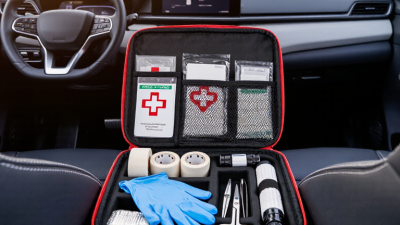
Instant cold packs are useful during travel, sports, or outdoor activities. They activate when squeezed, so no freezer is required. Their cooling effect usually lasts for a limited time. The inner contents should never touch broken skin. A refillable ice bag offers strong cooling and molds closely around an injury. It can also leak, especially inside a crowded first aid kit. In practical training, keeping it inside a sealed pouch prevents a messy surprise.
For a home kit, a reusable gel pack may offer better value. For a car or hiking bag, an instant pack saves preparation time. Whichever type you choose, wrap it in a thin cloth before applying it. Use cold therapy for about 15 to 20 minutes, then check the skin. Stop if the area becomes pale, painful, or unusually numb. People with reduced skin sensation should ask a healthcare professional before using cold therapy. One detail deserves reconsideration: colder is not always better. A pack that feels harmless at first may irritate skin after several minutes.
Choosing the Right Size, Shape, and Cooling Duration
Choosing the best first aid ice pack depends on the injury, body area, and expected cooling time. A small pack fits a wrist or finger well. It applies focused pressure without restricting movement. For a knee, shoulder, or ankle, choose a larger pack that covers the area evenly. Bigger is not always better. An oversized pack may feel heavy and slip during use.
Shape also affects comfort. Flexible packs mold around curved joints, while flat packs work well on backs or thighs. Check the cooling duration before buying. Instant packs are useful during travel because they need no freezer. Reusable packs usually stay cold longer, but they require proper storage. In practice, cooling time changes with room temperature, insulation, and how often the pack moves. Pack instructions should guide each use.
Tips: Wrap the pack in a thin cloth. Apply it for about 10–20 minutes, then check the skin. Stop if the area becomes painfully cold, pale, or numb. Keep a timer nearby. I once assumed longer cooling meant faster recovery, but that was careless. Cold should reduce discomfort, not cause skin injury. Avoid placing an ice pack directly on broken skin, and seek medical advice for severe swelling, deformity, or persistent pain.
How to Choose the Best First Aid Ice Packs?
Choose the pack size and shape according to the treatment area, while keeping each cold application within the commonly recommended 10–20 minute range.
Small packs are suitable for fingers, wrists, and other localized areas. Medium packs generally fit ankles, elbows, and knees, while large flexible packs cover larger muscle groups. Always place a thin cloth between the pack and skin, and check the skin regularly.
Checking Safety, Materials, and Ease of Use
Choosing a first aid ice pack starts with safety, not freezing speed. The National Safety Council’s Injury Facts 2024 recorded 62.4 million medically consulted injuries in the United States during 2021. That figure supports keeping dependable cooling equipment nearby, but convenience should never replace careful use.
Look for clear instructions, a visible expiry date, and a leak-resistant outer layer. Reusable packs should contain stable gel and include material information or a safety data sheet. Avoid packs with cracked seams, strong chemical odors, or unclear contents.
Cold injuries can develop quietly. The American Red Cross recommends wrapping a cold pack in a thin cloth before applying it. Keep sessions brief, commonly around 15 to 20 minutes, and check the skin regularly. Stop if numbness, whitening, or burning appears.
Ease of use matters during stress.
A flexible pack should mold around an ankle without becoming rock-hard in a freezer. A wide opening, textured surface, and simple one-handed handling can help. Instant packs are useful when no freezer exists, yet their chemical contents deserve extra caution around children and damaged packaging.
No pack is perfect. I still prefer a slightly slower pack with better instructions over a fast one that feels confusing. Test the closure and flexibility before an emergency. That small check is often missed.
Selecting an Ice Pack for Specific Injuries and Situations
How to Choose the Best First Aid Ice Packs?
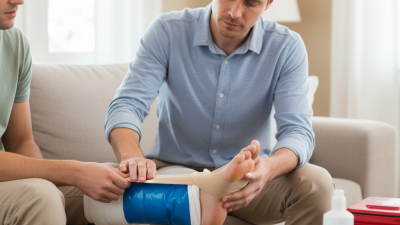
Choosing an ice pack depends on the injury, location, and available supervision. For a fresh ankle sprain or bruise, a flexible gel pack can follow the joint’s curves. Cover it with a thin towel. Never place frozen material directly on skin. The National Athletic Trainers’ Association recommends cold applications of about 10–20 minutes, with skin checks during treatment. Shorter sessions suit children, older adults, and people with reduced sensation.
Size matters. A small instant pack fits a first-aid kit or sports bag, while a larger reusable pack works better for a swollen knee or shoulder. For travel, instant packs need no freezer, but their cooling period is limited. For repeated treatment at home, a durable cold pack is usually more practical. CDC WISQARS surveillance records more than 8 million sports and recreation injury emergency visits in a typical recent year, so portability deserves serious attention.
I used to think colder meant better. It does not. Excessive cold may injure skin, especially with diabetes, poor circulation, or Raynaud’s disease. Avoid cooling open wounds unless a clinician advises it. Do not use an ice pack for suspected heatstroke; call emergency services and follow cooling guidance. For severe pain, deformity, numbness, or swelling that keeps increasing, medical assessment matters more than pack selection. This is where first-aid confidence can become overconfidence.