What Are First Aid Ice Packs and How Do They Work?

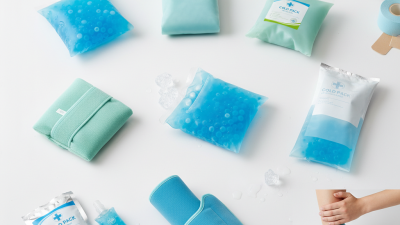
When an injury happens, a first aid ice pack can provide quick, practical relief. It may help reduce pain, swelling, and minor inflammation after a sprain, bruise, or small impact. The familiar blue pouch seems simple. Its effect is more interesting.

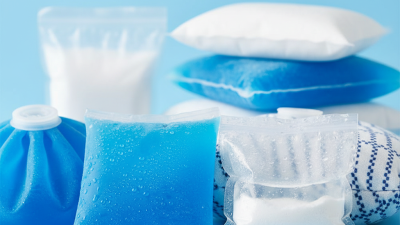
Some packs contain a gel that stays flexible when frozen. Others activate when squeezed, releasing heat from a chemical reaction and creating instant cold. Cold narrows nearby blood vessels, which can slow fluid movement around injured tissue. This may limit swelling and dull pain for a short period. The response is temporary. It does not repair torn ligaments, broken bones, or serious wounds.

Use care.

Wrap the pack in a thin towel before placing it on skin. A bare, frozen pack can cause skin damage, especially around fingers, ankles, or areas with poor sensation. Many healthcare professionals recommend short applications, often around 15 to 20 minutes, followed by a break. Product instructions and medical advice should guide the exact timing. Stop if the skin becomes numb, pale, painful, or unusually blotchy.

Not every pack behaves identically. A gel pack may remain cold longer, while an instant pack can be useful during travel or sports. However, convenience can hide limitations. Check for leaks, inspect the outer cover, and never reuse a single-use pack. People with circulation problems, reduced sensation, or complex injuries should seek professional advice before using cold therapy. The best results come from careful timing, gentle placement, and realistic expectations—not simply choosing the coldest option.
What Are First Aid Ice Packs and How Do They Work?

First Aid Ice Packs: Definition, Purpose, and Clinical Role

What Are First Aid Ice Packs and How Do They Work?

First aid ice packs are portable devices that deliver controlled cold to an injured area. They may contain frozen gel, cold fluid, or chemicals that activate cooling after squeezing. Their main purpose is to ease pain and limit early swelling after minor injuries. Cold narrows nearby blood vessels and reduces local nerve activity. The area may feel numb within a few minutes.

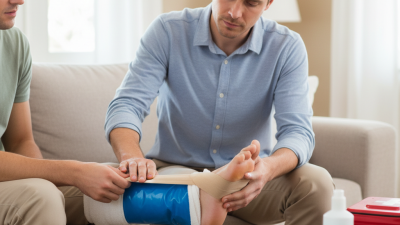
In clinical practice, an ice pack can support care for sprains, bruises, strains, and minor bumps. Place a thin cloth between the pack and the skin. Apply it for about 15–20 minutes, then allow the skin to return to normal temperature. Check the skin often. Pale, blotchy, burning, or intensely painful skin signals that cooling should stop. Simple care can still go wrong.

Ice packs do not repair torn tissue or treat serious fractures. They also should not replace medical assessment when pain is severe, movement is impossible, or swelling rapidly increases. People with reduced sensation or circulation need professional advice before using cold therapy. The ideal timing and duration can vary by injury and patient. That detail is easy to overlook. A careful assessment matters more than following a rigid routine.

Reusable Gel vs Instant Chemical Packs: Two Cooling Mechanisms

What Are First Aid Ice Packs and How Do They Work?

First aid ice packs limit heat around a minor injury. The CDC’s National Health Statistics Report No. 292 estimated 8.6 million sports and recreation injury episodes annually in the United States from 2011 to 2014. That scale explains why simple cooling tools remain common in home, workplace, and athletic first-aid kits.

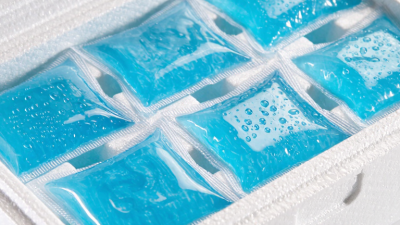
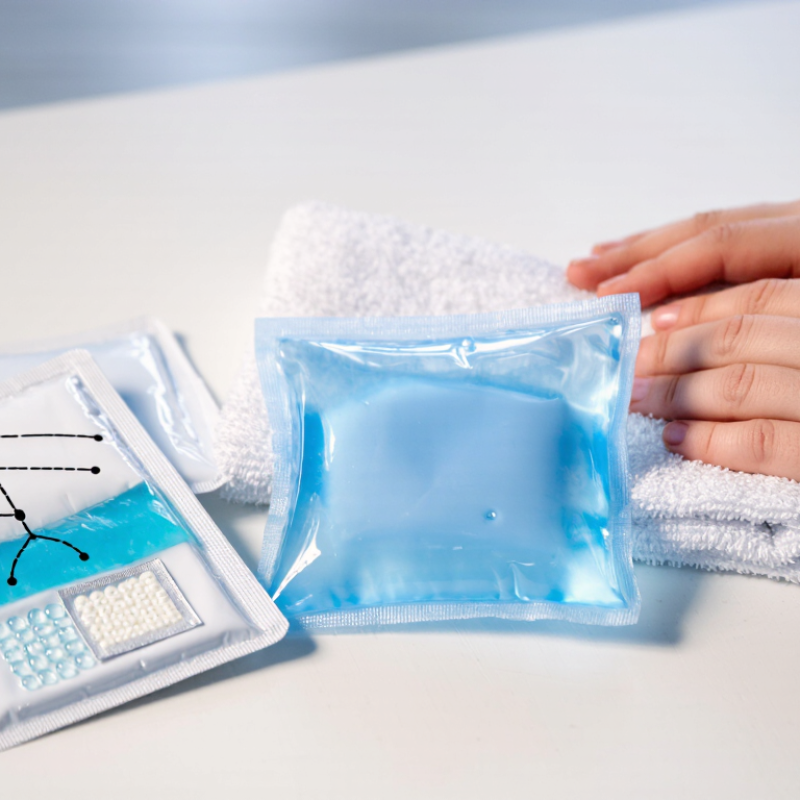
Reusable gel packs rely on stored cold. Their water-based gel absorbs heat from warm skin after chilling in a freezer or refrigerator. The pack gradually becomes flexible and less cold. It can then be refrozen and used again. A towel barrier matters. Direct contact may cause cold injury, especially when sensation is reduced. I used to equate stronger cold with better treatment. That assumption needs correction.

Instant chemical packs use a different mechanism. Squeezing breaks an internal water pouch, allowing a chemical salt or urea compound to dissolve. This endothermic reaction draws heat from the surrounding pack. The cooling begins quickly, but the pack is generally single-use. It also may feel less evenly cold than a gel pack. The American Academy of Orthopaedic Surgeons advises brief cold applications, commonly around 15 to 20 minutes, with skin checks during use. Stop if the skin becomes pale, painful, numb, or unusually hard. “Colder” is not always safer.

How Ice Packs Transfer Heat Through Conduction and Vasoconstriction

A first aid ice pack is a flexible container filled with a chilled gel, liquid, or frozen material. It cools injured tissue by conduction, meaning heat moves from the warmer skin into the colder pack. The pack does not create “cold” inside the body. It absorbs heat at the contact area. A thin cloth barrier helps prevent skin damage while still allowing efficient heat transfer.

Cold also causes vasoconstriction, or narrowing of nearby blood vessels. This response can temporarily reduce blood flow, swelling, and pain around a minor soft-tissue injury. Nerve signals may also slow, creating a brief numbing effect. The change is local and temporary. It does not repair torn tissue or remove the underlying cause of pain.

Apply the pack for about 15 to 20 minutes, then let the skin return to normal temperature. Check for unusual paleness, burning, excessive numbness, or mottled skin. Stop immediately if these signs appear. It is easy to assume colder means better, but that assumption needs questioning. Direct contact with frozen material can injure skin, especially when sensation is reduced. Avoid placing an ice pack over broken skin, and seek medical advice for severe pain, deformity, spreading swelling, or symptoms that do not improve.

Cold Therapy Timing: 15–20 Minutes per Session (NHS Guidance)

A first aid ice pack is a flexible container filled with frozen gel, ice, or another cooling material. It helps reduce pain, swelling, and minor inflammation after a sprain or knock. Cold makes nearby blood vessels narrower, which may limit fluid movement into injured tissue. In practical first aid, the pack should feel cold and comfortable, never painfully numb.

NHS guidance commonly recommends cold therapy for 15–20 minutes per session. Set a timer. Place a clean, thin cloth between the pack and your skin. Direct contact can cause cold burns, especially when the pack is very frozen. Check the skin halfway through treatment. It should remain normally coloured, not pale, blotchy, or intensely painful. Stop earlier if discomfort increases.

Remove the pack after 20 minutes. Let the skin return to its usual temperature before repeating treatment. Several sessions may be useful during the first day, with breaks between them. Do not sleep while using an ice pack. This sounds obvious, but tired people sometimes forget. Extra care is needed for children and anyone with reduced skin sensation or circulation. If swelling becomes severe, movement is difficult, or pain keeps worsening, seek medical advice rather than extending the cooling time. My own instinct might be to cool a fresh injury longer, yet longer is not automatically better.

What Are First Aid Ice Packs and How Do They Work?

First aid ice packs provide cold therapy to help temporarily reduce pain and swelling after minor injuries. Cold can narrow local blood vessels and reduce nerve activity, which may lessen discomfort. Wrap the pack in a cloth or towel to protect the skin.

Cold Therapy Timing: 15–20 Minutes per Session

Use a cold pack for approximately 15–20 minutes per session, following NHS-style guidance. Check the skin during treatment and allow it to return to its normal temperature before repeating cold therapy.

Safe Use: Skin Protection, Monitoring, and Key Contraindications

What Are First Aid Ice Packs and How Do They Work?

First aid ice packs cool injured tissue and temporarily reduce pain, swelling, and local blood flow. They are useful after minor sprains, bumps, and strains, but cooling is not harmless. Wrap the pack in a thin, dry towel before applying it. Never place frozen material directly on skin. Use it for about 10 to 20 minutes, then allow the skin to return to normal temperature. Check the area every few minutes. It should feel cool, not painfully numb.

Stop immediately if the skin becomes white, blue, blotchy, unusually hard, or blistered. Burning pain is also a warning. Do not sleep while using an ice pack. Children and people with limited sensation need close supervision. An injured person may not notice tissue damage quickly, especially after taking pain medicine. I have found that setting a timer helps, although it is easy to forget when the injury seems minor.

Extra caution is needed with poor circulation, diabetes-related nerve changes, cold sensitivity, or conditions such as Raynaud’s phenomenon and cold urticaria. Avoid applying cold over open wounds unless a healthcare professional gives specific instructions. A pack should not replace medical assessment when swelling rapidly worsens, movement is severely limited, or the joint looks deformed. If symptoms continue, ask a qualified clinician for advice. Cold therapy is simple, but safe timing and skin monitoring matter.

What Are First Aid Ice Packs and How Do They Work? — Safe Use: Skin Protection, Monitoring, and Key Contraindications
Data Dimension Key Point Evidence-Based Details Safe-Use Guidance
Definition First aid ice pack A cold therapy device used to cool a localized area after a minor injury, such as a sprain, strain, or bruise. It may contain ice, frozen gel, or a chemical mixture that becomes cold when activated. Use only for short-term first aid. It does not replace medical evaluation when an injury is severe or symptoms are worsening.
How It Works Heat transfer and temporary numbing Cold removes heat from the skin and underlying tissues. This can temporarily reduce pain and may help limit local swelling by reducing blood flow and nerve conduction in the treated area. Cooling should feel cold and comfortable, not painfully cold, burning, or intensely numb.
Common Uses Minor acute injuries Appropriate uses may include a minor ankle sprain, muscle strain, localized bruising, or mild swelling after a small soft-tissue injury. Combine with rest and gentle protection of the injured area. Elevation may help with swelling when appropriate.
Application Time Short treatment intervals A commonly used interval is about 10–20 minutes at a time, followed by a break that allows the skin to return toward its normal temperature. Do not leave the pack on continuously or fall asleep while using it. Follow the product instructions when they specify a shorter interval.
Skin Protection Use a protective barrier Direct contact with ice or a very cold pack can cause cold injury, including skin damage or frostbite, especially during prolonged exposure. Wrap the pack in a dry, thin cloth or towel. Do not apply frozen material directly to bare skin.
Placement Cover the affected area evenly Position the pack over the painful or swollen soft-tissue area without pressing heavily on the injury. Avoid placing it over open wounds, fragile skin, areas with poor circulation, or excessive pressure points unless advised by a healthcare professional.
Monitoring Check the skin and symptoms The skin should not become persistently white, gray, blue, blotchy, unusually hard, or severely numb. Increasing pain or burning is also abnormal. Remove the pack immediately if these changes occur. Allow the skin to warm naturally and seek medical advice if normal color or sensation does not return promptly.
Chemical Packs Inspect before use Instant cold packs usually activate through an internal chemical reaction. A damaged or leaking pack can irritate the skin and should not be used. Do not cut, puncture, squeeze open, or place a leaking pack on the body. If contents contact the skin or eyes, rinse thoroughly with water and obtain advice if irritation persists.
Reduced Sensation Higher risk of unnoticed injury People with reduced sensation may not recognize excessive cold, pain, or skin damage. Avoid self-treatment with an ice pack when sensation is impaired, including from neuropathy, certain neurological conditions, or sedating medication, unless a clinician provides specific instructions.
Circulation Concerns Cold may worsen poor blood flow Cold causes blood vessels to narrow temporarily. This may be unsafe in areas with impaired circulation or conditions triggered by cold exposure. Avoid use or obtain professional advice first with peripheral vascular disease, significant circulation problems, cold hypersensitivity, or disorders such as Raynaud phenomenon.
Skin and Wounds Protect damaged tissue Cold packs can irritate broken, infected, inflamed, or very fragile skin. Moisture trapped under a pack may also promote skin damage. Do not place a non-sterile pack directly over an open wound. Cover the wound appropriately and ask a healthcare professional about safe cooling.
When to Stop Adverse symptoms Stop immediately for severe pain, burning, marked numbness, blistering, skin discoloration, dizziness, or an allergic-type reaction. Remove the pack, protect the area, and seek medical advice if symptoms are significant, persistent, or worsening.
Seek Medical Care Possible serious injury Urgent assessment may be needed for obvious deformity, inability to bear weight or use the limb, severe swelling, uncontrolled bleeding, suspected fracture, deep wound, or loss of movement or sensation. Do not delay professional care by repeatedly applying cold to a potentially serious injury.
Storage and Hygiene Keep the pack clean and intact Reusable packs should be cleaned according to their instructions and checked for cracks, leaks, or damage before each use. Do not share a visibly contaminated pack. Dispose of damaged chemical packs according to local disposal guidance.