Blog
What Are the Top First Aid Kits for Sport?
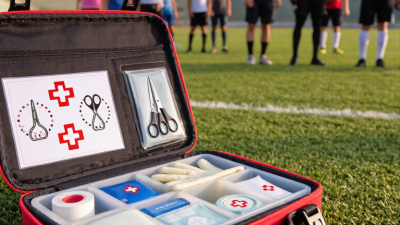
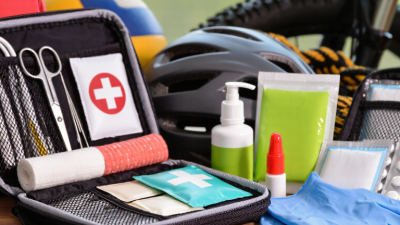
Choosing the right first aid kit for sport is not about buying the largest bag. It is about matching supplies to realistic injuries, team size, activity, and location. A trail-running kit may need blister care, elastic wraps, and emergency warmth. A football kit should also handle abrasions, sprains, minor bleeding, and cold packs. The best options remain organized under pressure, with clearly labeled compartments and supplies that are easy to replace.
Experience on courts, fields, and outdoor routes shows that small details matter. Gloves should fit different users. Scissors should cut tape quickly. Sterile dressings must stay sealed, even after repeated travel. A kit with a first aid guide can support less experienced responders, but it cannot replace proper training or professional medical assessment. Check expiry dates regularly. Practice opening the kit before an emergency happens.
Not every popular kit performs equally well. Some include impressive item counts but lack enough wound dressings or useful sports tape. That is an easy mistake to make. This guide compares leading choices through practical, safety-focused criteria, including durability, portability, contents, visibility, and value. It also considers whether each kit supports responsible first aid for sport without encouraging unsafe return-to-play decisions. When pain, breathing problems, suspected fractures, head injuries, or heavy bleeding appear, trained medical help should take priority. A kit is only one part of safer sport. It helps, but it cannot solve everything.
What Makes a Sports First Aid Kit Complete Under ANSI/ISEA Z308.1-2021
On a sports sideline, a complete first aid kit must do more than look well stocked. ANSI/ISEA Z308.1-2021 sets minimum requirements for workplace first aid kits. It distinguishes Class A supplies for common injuries from Class B supplies for more complex hazards. That difference matters near turf, courts, tracks, and outdoor fields. The standard addresses items, packaging, labeling, and minimum quantities. It does not design a kit for every sport. That gap deserves attention.
Depending on its class, a compliant kit may include adhesive bandages, absorbent compresses, antiseptic applications, burn treatment, cold packs, eye coverings, and examination gloves. It should also include required instructions and clearly marked contents. A high-contact sport may need additional supplies for bleeding control, sprains, or severe weather exposure. Those additions should follow a documented risk assessment, not guesswork. More supplies do not automatically mean better protection.
A practical inspection checks sealed packaging, expiration dates, quantity, and access before every event. Keep the kit visible, dry, and reachable within seconds. Staff should know who carries it and who contacts emergency services. A common mistake is counting packets without checking damaged wrappers. Another is choosing a Class A kit for a complicated outdoor venue. Even careful planning can miss changing conditions. Rain, dust, and repeated use expose weaknesses quickly. Training records should be reviewed too, because equipment cannot replace confident first aid decisions.
What Are the Top First Aid Kits for Sport? - What Makes a Sports First Aid Kit Complete Under ANSI/ISEA Z308.1-2021
| Sports First Aid Kit Configuration | Best Sports Setting | ANSI/ISEA Class | Suitable ANSI/ISEA Type | Core Injury Coverage | Recommended Contents | Completeness and Readiness Criteria |
|---|---|---|---|---|---|---|
|
Compact Sideline Kit
Designed for immediate treatment during practices, lessons, and low-risk activities.
|
Indoor training rooms, school gyms, fitness studios, and small team practices. | Class A |
Type I or II Type I for fixed indoor locations; Type II for portable indoor use. |
Minor cuts, scrapes, blisters, small burns, minor sprains, and basic eye contamination. | Adhesive bandages in multiple sizes, sterile absorbent compresses, adhesive tape, antiseptic wipes, antibiotic ointment, burn treatment, instant cold pack, examination gloves, triangular bandage, eye covering, and a first-aid instruction guide. | Contents should be sealed, clearly labeled, within expiration dates, and replenished after use. The container should be easy to identify and accessible without delay. |
|
Team Travel Kit
A portable kit for coaches, athletic trainers, officials, or team managers moving between venues.
|
Away games, tournaments, school buses, camps, and multi-day sporting events. | Class A |
Type II or III Type III is appropriate when outdoor transport and field use are expected. |
Common sports abrasions, lacerations, blisters, minor bleeding, minor burns, sprains, strains, and eye irritation. | Class A contents plus extra dressings and gloves, conforming bandages, elastic wraps, sterile gauze, wound-cleaning supplies, hand sanitizer, a CPR face shield with a one-way valve, waste bags, and a flashlight. | Inventory should be checked before every trip. Supplies should be organized by treatment function, protected from moisture, and stored in a durable case that can be carried quickly to the playing area. |
|
Outdoor Field Kit
Built for exposure to weather, grass, dirt, dust, and uneven outdoor environments.
|
Soccer, baseball, football, rugby, track and field, lacrosse, hiking, and outdoor endurance events. |
Class A Class B when hazards are increased |
Type III or IV Type IV is intended for rugged outdoor or mobile environments. |
Cuts, abrasions, embedded surface debris, blisters, minor burns, sprains, strains, heat-related first-aid needs, and bleeding-control situations. | Weather-resistant ANSI/ISEA kit contents, larger sterile dressings, gauze rolls, wound irrigation supplies, cold packs, triangular bandages, elastic wraps, gloves, eye protection, CPR barrier, emergency blanket, hand sanitizer, and clearly marked bleeding-control supplies where the risk assessment supports them. | The case should resist water, dust, and rough handling. Outdoor kits should be checked for temperature damage, moisture intrusion, damaged packaging, and supplies that have been used or contaminated. |
|
Contact-Sport Kit
Intended for sports with frequent collisions, falls, and higher potential for significant bleeding.
|
Football, rugby, hockey, martial arts, wrestling, boxing, and competitive contact training. | Class B |
Type II, III, or IV Select the type according to whether the kit remains indoors, travels, or is used outdoors. |
More complex injuries, heavy bleeding, facial wounds, suspected fractures, dislocations, sprains, strains, and possible head or neck trauma requiring professional evaluation. | Class B contents, multiple sizes of sterile dressings, pressure dressings, trauma shears, additional examination gloves, eye protection, triangular bandages, cold packs, CPR barrier, emergency blanket, and bleeding-control equipment selected through a documented risk assessment. | The kit supports immediate care but does not replace emergency medical services. Staff should have role-specific training, a venue emergency action plan, and rapid access to emergency communication. |
|
Aquatic and Water-Sports Kit
Designed for wet environments where slips, cuts, eye exposure, and prolonged cooling are possible.
|
Swimming pools, rowing, sailing, kayaking, paddle sports, triathlons, and waterfront facilities. | Class B when the environment is complex | Type III or IV | Slips and falls, cuts, abrasions, eye contamination, minor burns, sprains, strains, hypothermia risk, and bleeding emergencies. | Water-resistant standardized kit contents, waterproof dressings, sterile gauze, wound irrigation supplies, gloves, eye protection, CPR barrier, emergency blanket, thermal protection, trauma shears, and extra waste bags. | Store the kit above standing water and inspect the packaging for moisture damage. A first-aid kit is not a substitute for a lifeguard, rescue equipment, AED program, or emergency response plan. |
|
Large Venue and Tournament Station Kit
A higher-capacity station for repeated use by many participants and spectators.
|
Stadiums, tournaments, sports complexes, athletic departments, and multi-field events. | Class B |
Type I, II, III, or IV Use several strategically located kits when the venue is large or spread across multiple areas. |
A broad range of minor and serious first-aid situations, including bleeding, burns, eye injuries, sprains, strains, and environmental exposure. | Class B standardized contents in higher quantities, supplemental sterile dressings, gloves, eye protection, cold packs, elastic wraps, triangular bandages, CPR barriers, trauma shears, emergency blankets, waste supplies, and a documented restocking reserve. | Position kits near playing surfaces and high-traffic areas. Use inspection logs, tamper-evident seals where appropriate, clear signage, trained responders, and a defined process for replacing opened or expired supplies. |
|
Bleeding-Control Supplement Kit
A supplementary unit used when the sport or venue risk assessment identifies a credible risk of severe bleeding.
|
High-impact contact sports, motorsport, climbing, adventure races, and large public venues. | Supplement to Class B | Type II, III, or IV | Severe bleeding while emergency medical services are being activated and advanced care is en route. | Hemostatic or pressure dressings, tourniquets selected and maintained under an approved protocol, large trauma dressings, gloves, trauma shears, protective eyewear, CPR barrier, and clear bleeding-control instructions. | These items are not a replacement for the ANSI/ISEA standardized first-aid kit contents. Only trained personnel should use advanced bleeding-control devices, and all products should be inspected according to the manufacturer’s instructions and local medical protocols. |